





How to properly clean and maintain hotel bedding fabrics with antibacterial properties?
Proper cleaning and maintenance of hotel bedding fabrics with antibacterial properties is essential to maintaining
their antibacterial properties and extending their service life, as follows:
Cleaning:
1. Read the washing instructions: Before cleaning, be sure to carefully read the washing label of the bed fabric to understand the specific requirements
of the manufacturer's recommended cleaning method, water temperature, detergent type, etc., because different antibacterial fabrics may have
different cleaning precautions.
2. Choose the right detergent: Give priority to mild, bleach-free neutral detergents, and avoid detergents containing strong chemicals to prevent damage
to the antibacterial components and fiber structure of the fabric. For beds with special antibacterial function, such as beds with silver ion antibacterial
technology, pay more attention to avoid the use of sulfur-containing detergents, so as not to affect the antibacterial performance of chemical reactions.
3.. Control the cleaning water temperature: In general, cleaning the hotel bed fabric with antibacterial properties, the water temperature is appropriate
to 30℃-40℃. Too high water temperature may cause the loss of antibacterial agents or fiber deformation of the fabric, and too low water may not be
effective in removing stains.
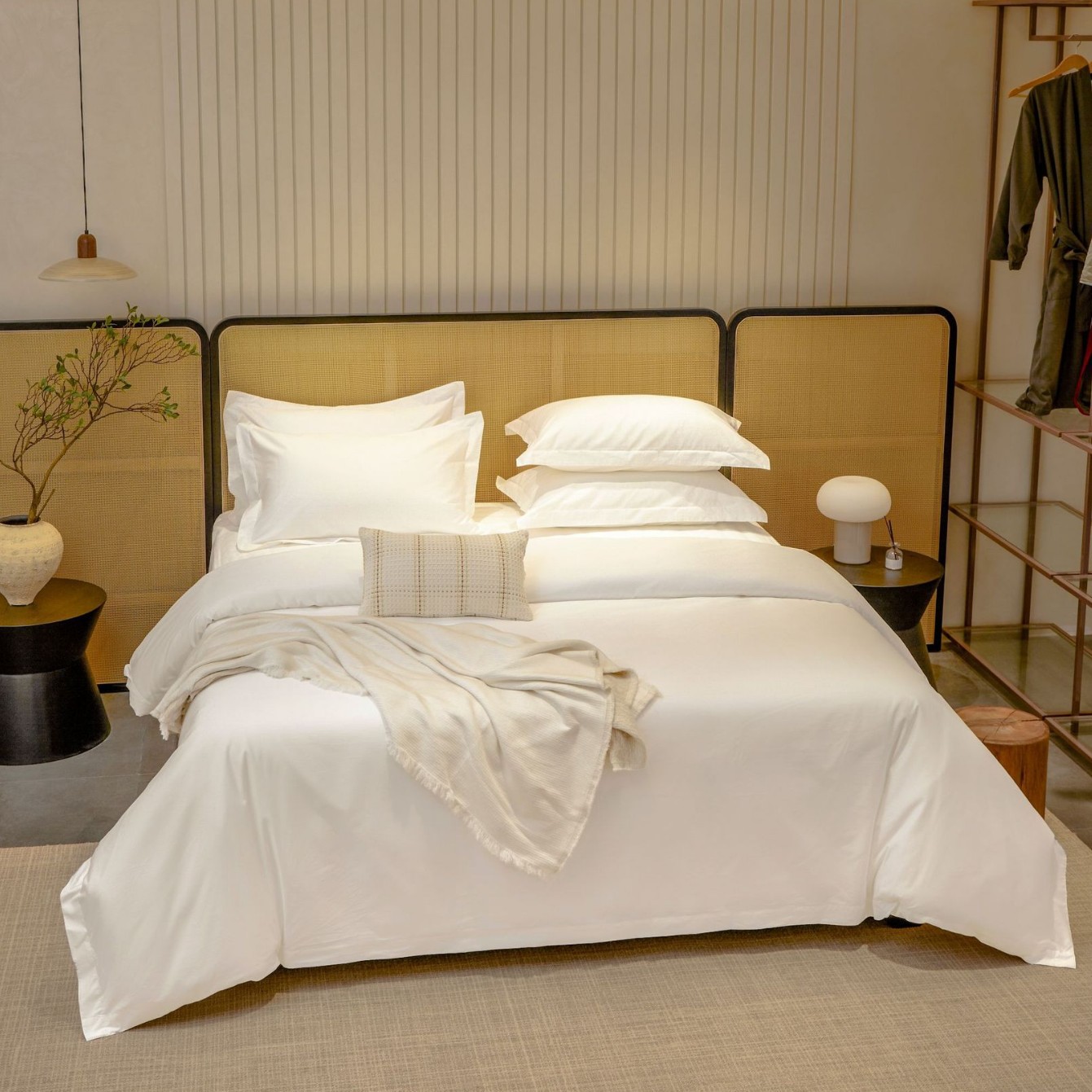
4. Gentle washing: try to use gentle washing mode, avoid strong rubbing and stirring, to prevent the antibacterial coating or antibacterial fiber on the
surface of the fabric from being damaged. If it is machine washed, you can choose a gentle file; If washing by hand, gently squeeze and knead. For the
dirty parts, you can partially wipe gently or use a soft brush to scrub gently.
5. Timely cleaning: Hotel beds should be cleaned as soon as possible after use to avoid stains and bacteria remaining for a long time, increasing the
difficulty of cleaning, but also help to maintain antibacterial properties.
Maintenance aspect
Avoid exposure: The bed after cleaning should avoid direct exposure in the sun, strong ultraviolet light may destroy the antibacterial properties of the
fabric and fiber structure, making the fabric hard and brittle. It is recommended to dry the bed in a cool place with good ventilation. If you need to dry
it, the temperature should not be too high, and low temperature drying mode should be selected.
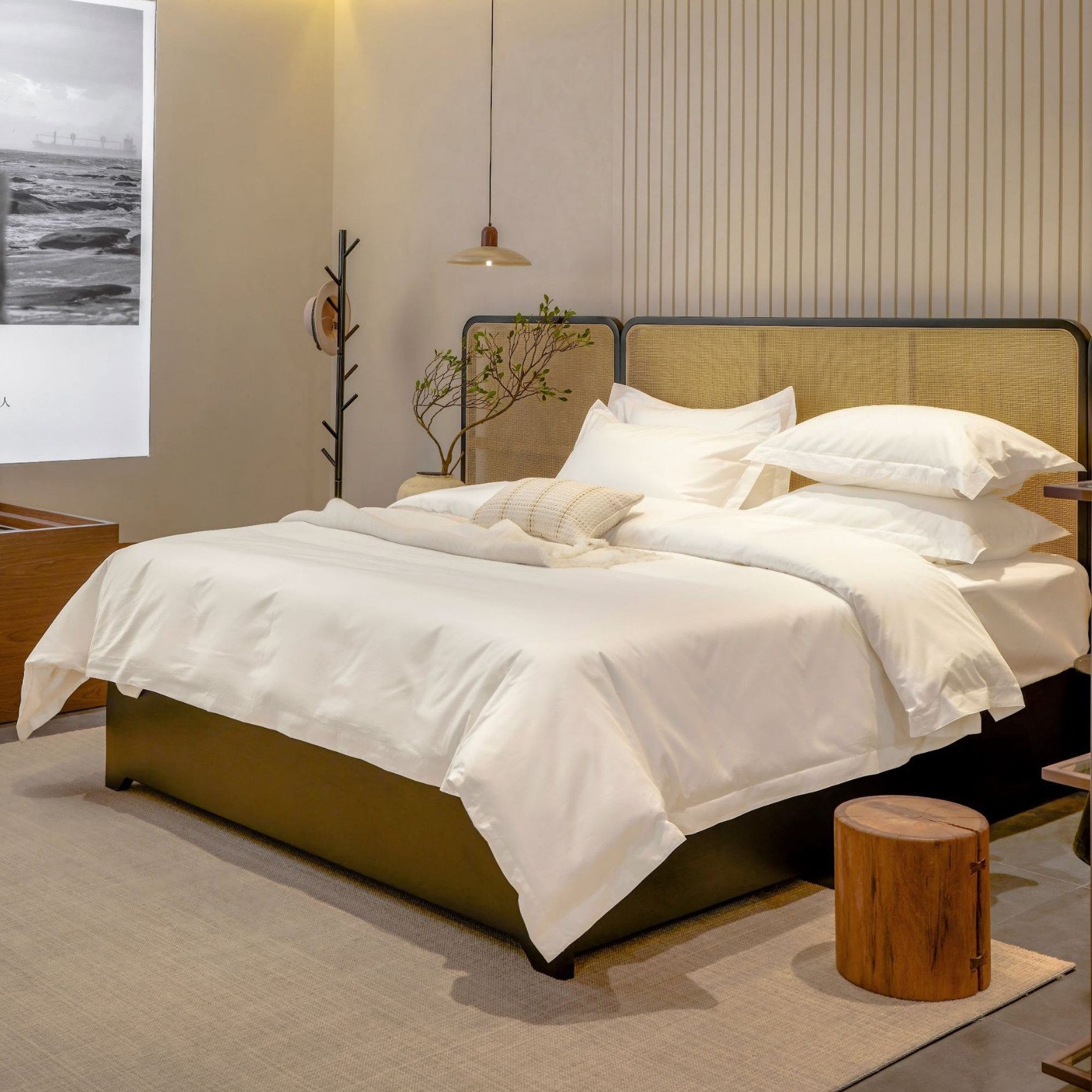
Ironing precautions: If ironing is needed, it should be carried out at a low temperature, and a wet soft cloth should be placed on the surface of the fabric
to avoid direct contact with the iron to prevent high temperature damage to the antibacterial coating or fiber. When ironing, pay attention to uniform
temperature to avoid local overheating.
Proper storage: After drying or ironing the bed, it should be folded neatly and stored in a dry and ventilated place to avoid the growth of bacteria and
mold of the fabric in a humid environment, which affects the antibacterial performance. At the same time, avoid putting sharp and rough items together
to prevent scratching the fabric.
Regular inspection: Check the condition of the bedding regularly for signs of breakage, stains, or decreased antibacterial properties. If problems are found,
timely treatment or replacement of bedding to ensure the use experience and health of hotel guests.
