





Hambi suggests using hotel-grade bath towels. These towels are made of satin cotton fabric, with exquisite craftsmanship and a smooth texture. They are entirely made of pure cotton and are perfect for use in upscale hotels and residences. Not only are they luxurious in appearance, but they also offer an ultimate comfort experience, making them an excellent choice for improving sleep quality. Whether used in a hotel or at home, these towels will allow you to enjoy a five-star sleep experience!
×
How to Select and Maintain the Quality Towels in a Hotel!
2025-09-19
How to Select and Maintain the Quality Towels in a Hotel
After gaining a deep understanding of hotel towels, many people hope to bring this luxurious experience to their hotels. However, in the face of the wide variety of products on the market, how can one identify truly high-quality towels? And how should they be maintained to extend their service life? This article will become your ultimate guide, helping the towels in your hotel maintain a better usage experience.
Selection Guide: Eight Key Indicators for Identifying High-Quality Towels
Material Certification: Look for products clearly labeled as "100% Long Staple Cotton" or "Egyptian Cotton"/"Pima Cotton"/"Xinjiang Cotton". Be cautious of vague labels such as "Cotton" as they may contain a blend of shorter fibers.
Weight indicator: The towel should feel solid and substantial. The weight of the bath towel should be between 500 and 800 grams. If it is too light, it may indicate that some materials were substituted. If it is too heavy, it may be difficult to dry properly.
Density test: After firmly grasping the towel and then releasing it, a high-quality product should quickly return to its original shape without leaving any lasting creases. Slow recovery indicates insufficient weaving density.
Hair ring inspection: The hair rings should be neat and uniform, with consistent height. When brushing the hair rings with your fingers, very few fibers should fall off. Pay attention to distinguish between hair rings and cut velvet - the former is more durable, while the latter is softer but has a shorter lifespan.
Edge stitching process: Check the width of the edge (it should be ≥ 1 cm) and the density of the stitches (≥ 10 stitches per inch). The corners should be reinforced.
Water absorption test: In the store, a small amount of water can be used for testing. High-quality towels should absorb water instantly without leaving any water droplets. Note that certain chemical treatments may temporarily enhance the water absorption ability but it will soon lose its effect.
Label information: Searching for OEKO-TEX Standard 100 certification to ensure no harmful substances remain. International certification is more reliable than a single brand's promise.
Brand reputation: Choosing a professional towel brand rather than an ordinary home textile brand as an extension product. Professional brands usually have stricter quality control.
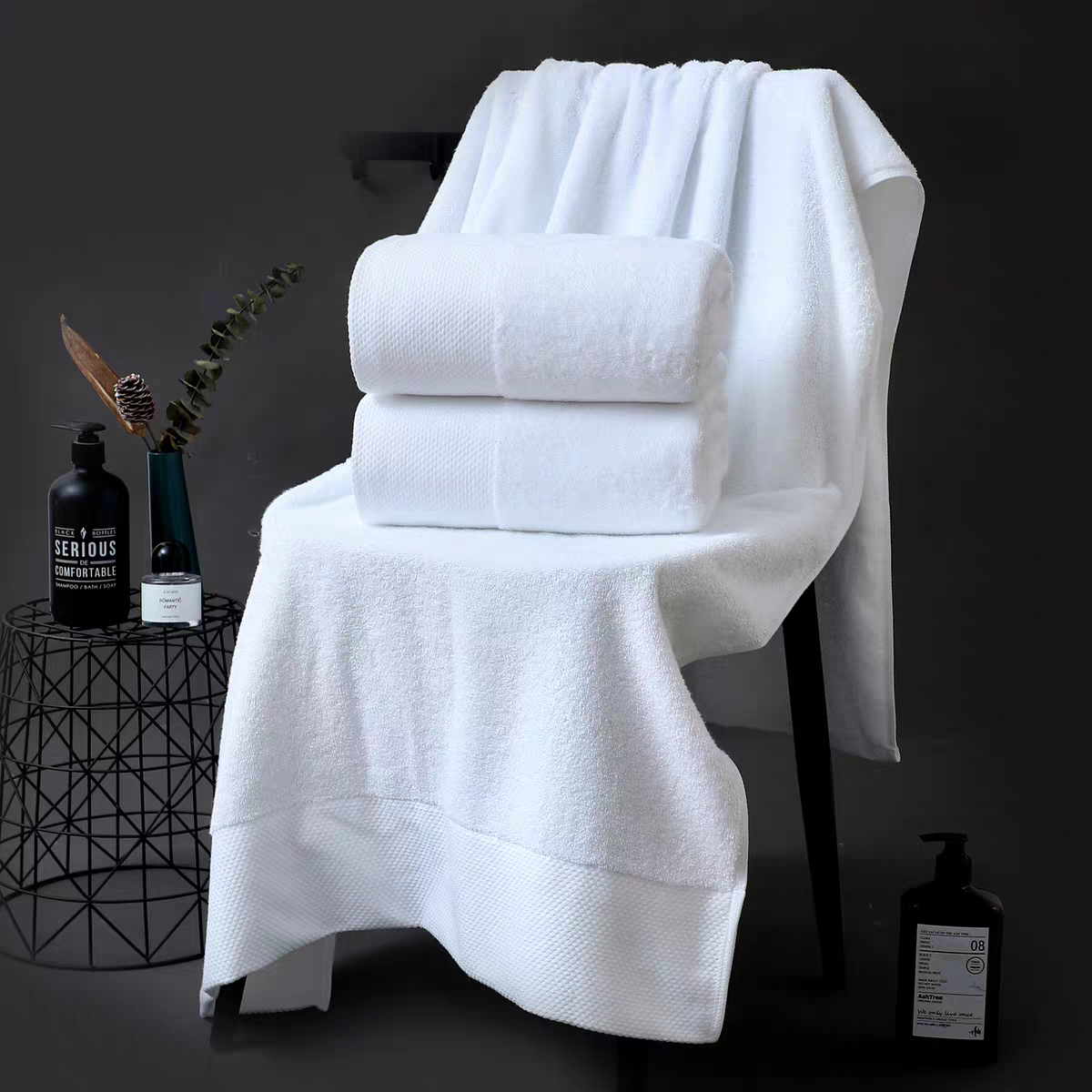
Price Range and Cost-Performance Analysis
The prices of towels vary greatly. It is important to understand the value behind the prices:
Economy Type: Basic functions, but shorter lifespan, softness and absorbency decline rapidly with each wash cycle.
Mid-range Type: Best value for money, offers an experience close to that of a hotel, with a lifespan of 2-3 years.
High-end Type: At the same level as hotels, emphasizing details and durability. With proper maintenance, it can be used for 4-5 years.
Luxury Type: Special materials and craftsmanship, mostly driven by design, with added value greater than functional improvement.
For most families, mid-to-high-end products offer the best value for money. They can enjoy high-quality experiences without incurring excessive expenses.
Maintenance Science: Professional Methods for Extending Towel Lifespan
Preparation before first use:
Wash separately with warm water to remove the residual substances from the manufacturing process.
Avoid using fabric softener as it will cover the surface of the fibers and affect their water absorption capacity.
Moderate-temperature and low-temperature drying helps "activate" the softness and absorbency of the towels.
Daily Cleaning Guidelines:
Classification of washing: Separate by color and usage area to prevent cross-contamination.
Water temperature control: 40℃ is optimal. Excessive heat can damage the fiber strength.
Detergent selection: Neutral liquid detergent is better than powder type, as it reduces residue.
Loading capacity: Do not exceed 70% of the washing machine's capacity to ensure thorough rinsing.
Avoid bleaching: Chlorine bleaching can damage the fibers, causing them to turn yellow and become brittle.
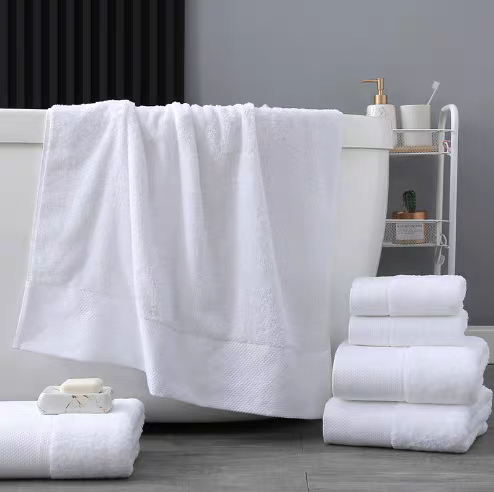
Drying techniques:
Proper drying: Start drying within 2 hours after washing to prevent mold growth.
Avoid direct exposure to sunlight: Direct sunlight can make the fibers brittle. Choose a ventilated place to dry them.
Drying machine usage: Set at medium-low temperature. Add drying balls to help maintain softness.
When it is 80% dry: Remove it, shake it and shape it properly, avoiding excessive drying.
Storage Points:
Store after complete drying. Avoid storing in a sealed container to prevent mold growth.
Use breathable storage boxes instead of plastic containers
Regular use and long-term storage will actually reduce the elasticity of the fibers.
Problem Resolution: Common Towel Issues and Solutions
Hard and Rough Texture: This could be due to detergent residue or water quality issues. Try soaking in white vinegar (in a 1:4 ratio) and then washing again without using detergent.
Reduced Absorbency: This is usually caused by softener or detergent residue. Washing with hot water and a small amount of baking soda can restore it.
Odor Problem: Wash with 60°C hot water and baking soda. Make sure to dry completely. Persistent odor may indicate mold growth. It is recommended to replace the towel.
Fading: Add salt for color fixation during the first wash (10 grams of salt per liter of water). For subsequent washes, turn the towel over and use a neutral detergent.
Use and replacement cycle of hygiene
Towels are breeding grounds for bacteria. Correct usage and timely replacement are of utmost importance:
Personal Use: Each person should have their own set of towels to avoid sharing.
Replacement Frequency: Facial tissues every 2-3 days, bath towels every 3-5 days, hand towels every 1-2 days. They should be washed and replaced.
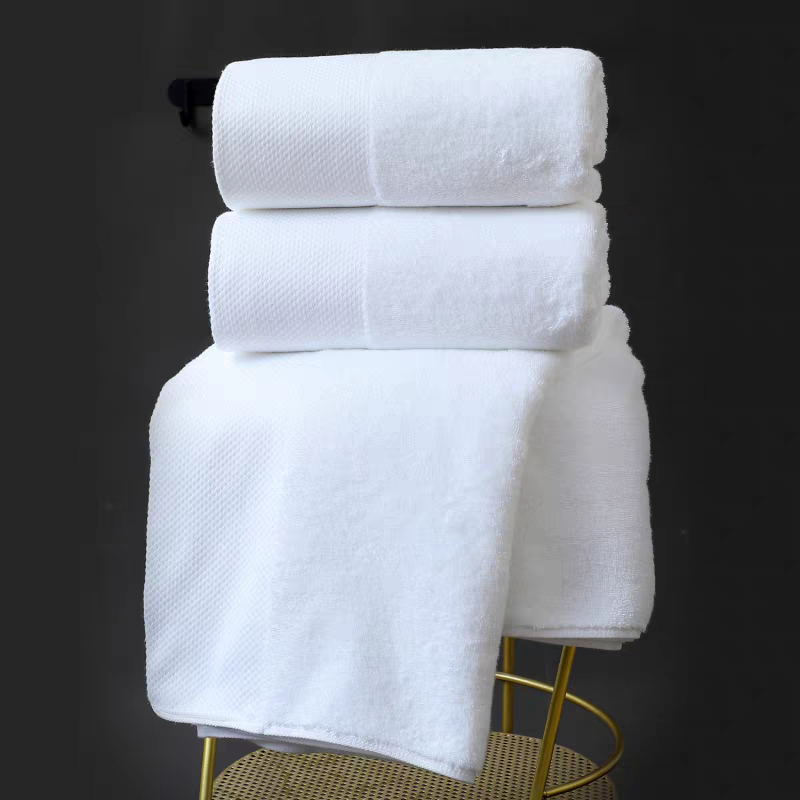
Service Life: Even if the appearance is intact, towels should be replaced every year. Using them beyond the expiration date will not only deteriorate the hygiene conditions but also cause functional degradation.
Special Periods: Use separate towels during illness. After recovery, they should be thoroughly cleaned or replaced.
Sustainable Choice: Balancing Environmental Protection and Quality
For consumers with strong environmental awareness, the following suggestions can reduce the environmental impact of towels:
Choose durable products: High-quality towels have a lifespan that is 2-3 times longer than ordinary products, reducing the frequency of replacement.
Organic certification: Certifications such as GOTS ensure environmentally friendly planting and production processes.
Local production: Reduces transportation carbon footprint and supports local industries.
Recycling: Old towels can be transformed into cleaning cloths, pet pads, etc., extending their lifespan.
Create a hotel-like bathroom experience
Finally, the usage experience of the towels is not only dependent on the product itself, but also related to the overall environment:
Storage method: Use a heated towel rack to keep it dry and warm, enhancing the comfort of use.
Color coordination: Choose tones that are in harmony with the bathroom style to create a visual harmony.
Layered placement: Arrange items in layers according to their usage frequency, making it convenient to access while maintaining tidiness.
Atmosphere creation: Combine elements such as aromatherapy and music to create a spa-like relaxing environment.
ReviewsNumber of comments: {{ page.total }}
I want to comment?
{{item.nickname ? (item.nickname.slice(0, 2) + '*****') : item.source === 1 ? 'mall buyer' : '--'}}
{{item.comment_time}}
Review in the {{item.country}}
Reviews
Merchant
{{replyItem.nickname ? (replyItem.nickname.slice(0, 2) + '*****') : replyItem.source === 1 ? 'mall buyer' : '--'}}
{{replyItem.parent_nickname ? (replyItem.parent_nickname.slice(0, 2) + '*****') : '--'}}
{{replyItem.is_merchant_reply === 1 ? replyItem.reply_time : replyItem.comment_time}}
Review in the {{replyItem.country}}
Reviews

No customer reviews
If you have more questions, write to us
Just leave your email or phone number in the contact form so we can send you a free quote for our wide range of designs!
Recommended
2023
01
11
We manufacture an extensive range of Premium and Luxury Bed linen, Bath linen, towels, Bed Sheets, mattress, pillows, and Hospital Linen products that are perfectly designed for the hospitality and hospital industry.
Telephone: 0771-5585836
Email: hanbiyan1@gmail.com
Phone: +86 15878178593
WhatsApp: +86 15878178593
WeChat: 15878178593
Address: Shop No. 201, 2nd Floor, Building 17, Nanning Country Garden Times City, No. 496 Kunlun Avenue, Santang Town, Xingning District, Nanning City, Guangxi Zhuang Autonomous Region
Copyright © 2026 HANBI - www.hanbi-hotelsupplies.com | Sitemap Privacy Policy