





Hanbi focus on the development of environmentally friendly disposable products. The company has 20 patented technologies and an annual production capacity of 100 million sets. The main products include straw toothbrush, PLA comb and other degradable toiletry sets, with a degradation rate of more than 90%. Passed ISO9001 and ISO14001 certification, serving more than 500 customers. Hampe is committed to providing green solutions for the hotel industry, reducing plastic use by 300 tons per year.
×
Hotel Pure Cotton Towel Selection Guide: From Material Identification to Process Analysis!
2025-05-28
A Guide to Selecting Pure Cotton Towels for Hotels: A Professional Approach from Material Identification to Process Analysis!
One: The core advantage of pure cotton material: Why do high-end hotels insist on using pure cotton
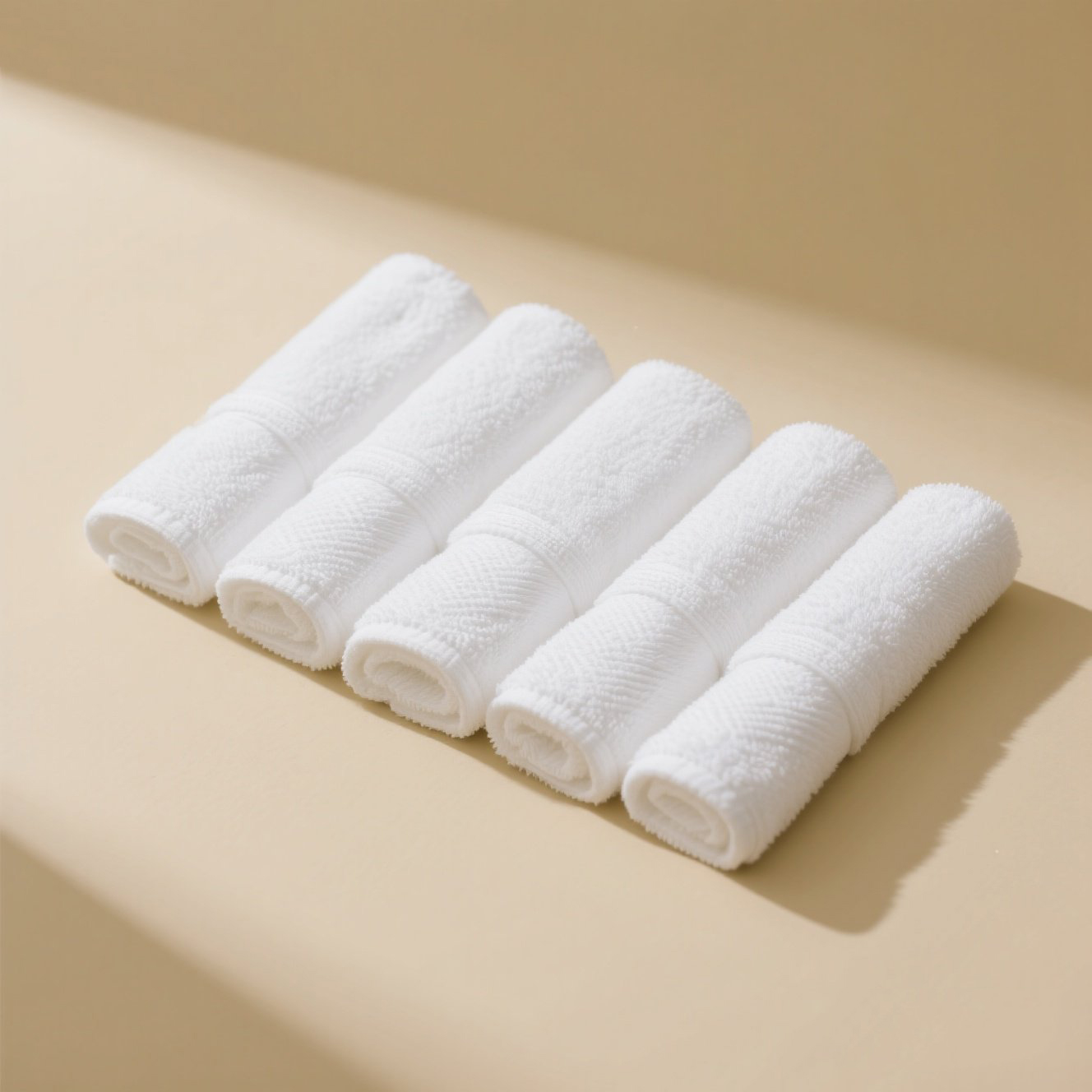
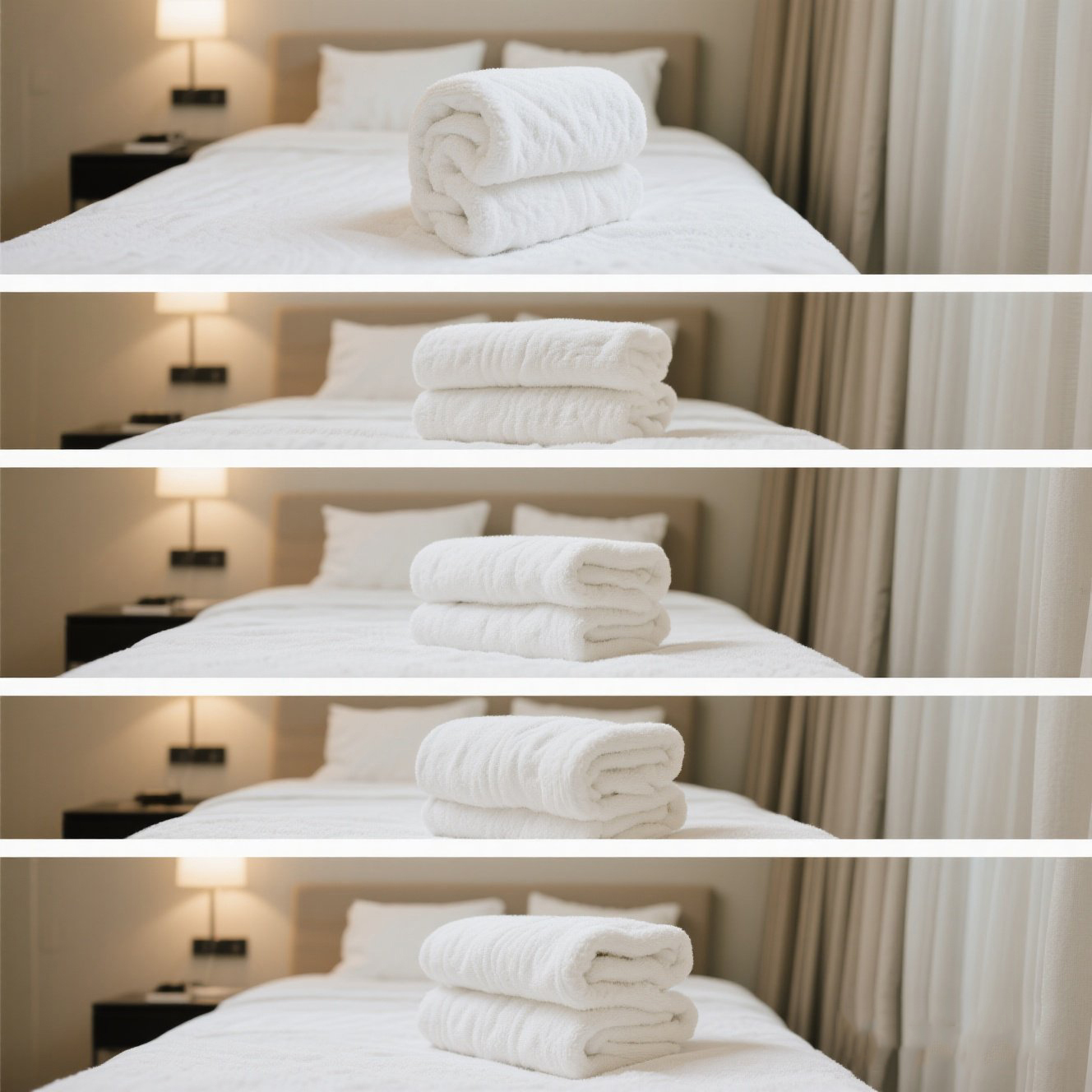
1.In the high-end hotel industry, pure cotton material is regarded as the "gold standard" for towel products, which stems from its irreplaceable natural properties. When guests bury their faces in the soft and thick towel, the instant skin-friendly comfort and the highly efficient water absorption experience are the most direct expressions of the hotel's quality. The porous structure of pure cotton fibers can absorb up to 20 times their own weight in water, far exceeding the water absorption capacity of chemical fiber materials. This super water absorption capacity stems from the natural hydrophilic groups in cotton fibers. When water comes into contact with the surface of the fibers, it is rapidly adsorbed and diffused throughout the entire towel through capillary action.
2.Safety is another key factor for hotels to choose pure cotton. The pH value of pure cotton is close to that of human skin and it contains no chemical irritants, making it especially suitable for customers with sensitive skin to use. Compared with chemical fiber blended towels that may release trace amounts of plastic microparticles or chemical residues, pure cotton can maintain stable composition even under repeated high-temperature disinfection and will not produce harmful substances. International high-end hotel groups even require towel suppliers to provide OEKO-TEX 100 ecological certification or Class A textile safety reports to ensure that there are no carcinogenic residues throughout the entire process from dyes to processing.
3.Experimental comparison: Take a pure cotton towel and a polyester-cotton blended towel and lay them flat on the water surface simultaneously. The pure cotton towel will sink rapidly within 5 seconds, while the product containing polyester will continue to float. After absorbing water, wring it out and hanging it, a pure cotton towel will not drip continuously, while a synthetic fiber towel will form a continuous water line. This intuitive test has become a mandatory inspection item for hotel procurement and warehousing.
Two: Professional Analysis of Process Parameters: The golden Ratio of yarn count, grammage and loop density
2.1 Scientific ratio of yarn count and weaving method
The quality differences of pure cotton towels in hotels largely depend on the fine ratio of yarn count specifications and weaving techniques. The yarn count (such as 21 count, 32 count, 40 count) represents the length of the yarn per unit weight. The higher the count, the finer the yarn. High-end hotels usually adopt a configuration of 32-count double-strand yarn or 40-count long-staple cotton. Through the double-strand twisting process, the strength of the yarn is significantly enhanced, ensuring that the towels maintain their structural integrity even after frequent washing. In terms of weaving techniques, high-end hotels prefer satin weaving (with three warp yarns interwoven once), and the surface of the finished product is as smooth as silk, with a touch far exceeding that of the plain weave basic style.
2.2 grams (GSM) and coil structure
Weight per square meter (GSM) is the core quantitative indicator for measuring the quality of towels, referring to the weight in grams per square meter of fabric. The GSM value of bath towels in five-star hotels is usually no less than 500, while in luxury hotels, it is required to be above 600-700GSM. High specific weight means a denser fiber layer, doubling the water absorption and storage capacity. For instance, a 700GSM bath towel can instantly absorb 1 liter of water, far exceeding the 300GSM standard for household towels.
The height and distribution of the hair rings directly affect the touch feel during use. High-quality towels require that the height of the loops be ≥3mm and be evenly upright, forming an "air cushioning layer" to reduce skin friction during wiping. When purchasing, unfold the towel and observe it against the light: high-quality products have neatly arranged loops without bald spots, while inferior ones may have collapsed loops or broken yarns.
2.3 Edge reinforcement and sewing techniques
Edge treatment is an important detail for judging the craftsmanship grade of towels. High-end hotels require three-stitch seam locking or double folded stitch sewing, with the stitch spacing controlled at 2-2.5 stitches per centimeter. 152 This fine sewing can effectively prevent the edge fibers from falling off and extend the service life. However, cheap towels mostly use single-thread binding. After several uses, problems such as loose thread ends and broken edges are likely to occur.
Three: Five-step Selection Practical Guide: On-site Inspection Method for Hotel Purchasing Managers
3.1 Material Verification: Combustion method and fluorescence detection
Random box opening and random inspection are required at the procurement site.
Combustion experiment: Cut a small amount of fiber and light it. Pure cotton burns rapidly, with a yellow flame and the ash being fine grayish-white powder. Chemical fiber blends melt and shrink into hard lumps, giving off a plastic smell
Ultraviolet detection: When exposed to a banknote detector, synthetic fibers such as polyester will show a fluorescence reaction, while pure cotton will not
Water sedimentation test: When a dry towel is laid flat on the water surface, pure cotton products sink within 5 seconds, while polyester-containing products keep floating
3.2 Parameter Verification: From label to actual measurement
Check the tag: Confirm whether the marked composition is 100% cotton, and whether the yarn count (such as 32 counts) and GSM value meet the procurement specifications
Weighing inspection: Randomly select 10 items for weighing. The weight of a single bath towel must not be less than 3% of the contract's nominal value (for example, if the nominal value is 600g, it must not be less than 582g).
Size measurement: The standard size of a five-star bath towel should be ≥60×120cm, with an error not exceeding ±2cm
3.3 Empirical Test of Water absorption
Pour 500ml of room-temperature water evenly onto the flat bath towel:
High-quality pure cotton: Completely absorbed within 2 seconds, with no penetration on the back
Qualified product: Absorbed within 5 seconds
Inferior product: Water slides off or forms puddles, and the water absorption exceeds the time limit
3.4 Evaluation of Touch and Durability
Rubbing test: Rub the surface of the towel vigorously 20 times and observe if it pilling or fuzzing
Tensile test: Pull it longitudinally with both hands. High-quality products will quickly rebound after deformation without permanent wrinkles
Edge inspection: Check whether the seams are double-needle locked and whether the thread ends are concealed
3.5 Color Fastness and Safety Certification
Hot water soaking: Soak in 80℃ hot water for 30 minutes and observe whether the water quality changes color (reactive dyed fabrics should be basically colorless).
Certification documents: Suppliers are required to provide OEKO-TEX 100 certification and Class A textile test reports
Four:Quality Trap Identification: Three Major tricks of adulteration, weight gain and bleaching
4.1 Traps of Mixed Charging of Chemical Fibers
Some suppliers, in order to cut costs, use polyester-cotton blends to pass off as pure cotton. This type of product feels stiff and slippery, and is heavy and hard to dry after absorbing water. It can be identified through the burning test: polyester melts into hard lumps instead of pure cotton powder-like ashes. International brand hotels are now generally equipped with portable fiber detectors, which can quickly analyze the proportion of components on the spot of receiving goods.
4.2 Abuse of weight gain agents
Poor-quality towels create the illusion of being "thick" by adding starch slurry or chemical weight gain agents. This type of product is fine for the first use, but it hardens and clumps up quickly after washing. Identification tip: Rub your hands together and then pat them. If white dust comes out, it indicates that starch has been added. Abnormal weighing (such as being too small in size but having an extremely high specific weight) is suspected to be due to chemical weight gain.
4.3 Hazards of Fluorescent Bleaching
To cover up impurities in cotton, some manufacturers use excessive bleaching agents containing fluorescent brighteners. Such substances may cause skin allergies. Detection method:
When illuminated by a bank banknote detector, if it emits a bluish-white light, it indicates that it contains fluorescent agents
When compared with unbleached cotton fabric, if it is abnormally bright and white, be cautious
Five: Hotel-exclusive maintenance standards: From initial washing to daily care
5.1 Initial Processing and washing procedures
New towels need to be pre-washed: Add 100ml/ kg of white vinegar to 60℃ water temperature to thoroughly remove the residual softener from production (this coating will hinder water absorption) 915. Daily cleaning should follow:
Pretreatment: Pre-wash with cold water to remove impurities
Main wash: Neutral detergent at 60-75℃. Do not use fabric softener (it may clog the fiber pores).
Bleaching: Use oxygen bleaching instead of chlorine bleaching to prevent fiber yellowing
Rinse: Thoroughly remove any residue at least twice
5.2 Drying and Disinfection Specifications
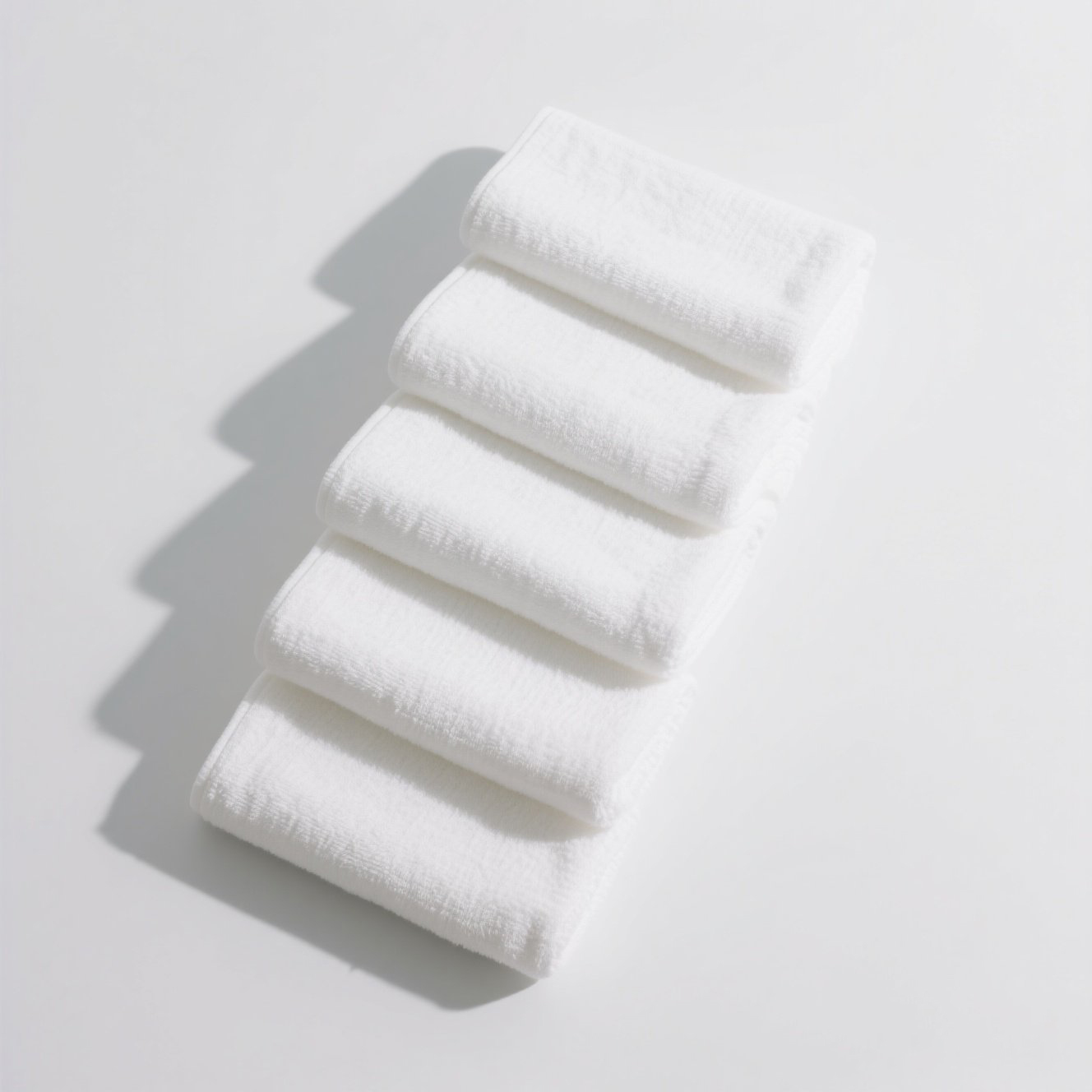
Drying technique: When it is 80% dry, cut off the cold air to restore its elasticity and avoid high temperature causing the fibers to become brittle
Drying taboos: Avoid direct sunlight to prevent fiber hardening
Weekly disinfection: Boil in boiling water for 10 minutes or microwave heat for 5 minutes, with a sterilization rate of 99%
5.3 Life Management and Replacement Nodes
Professional hotels extend the life cycle of towels through the three-color management method:
Brand new white: For guest room use (approximately 150 washing cycles)
Light gray marking: Downgraded for use in gyms or swimming pools
Dark grey mark: Switch to cleaning products
Towels should be discarded when they have sparse loops, a 30% decrease in water absorption or damaged edges.
ReviewsNumber of comments: {{ page.total }}
I want to comment?
{{item.nickname ? (item.nickname.slice(0, 2) + '*****') : item.source === 1 ? 'mall buyer' : '--'}}
{{item.comment_time}}
Review in the {{item.country}}
Reviews
Merchant
{{replyItem.nickname ? (replyItem.nickname.slice(0, 2) + '*****') : replyItem.source === 1 ? 'mall buyer' : '--'}}
{{replyItem.parent_nickname ? (replyItem.parent_nickname.slice(0, 2) + '*****') : '--'}}
{{replyItem.is_merchant_reply === 1 ? replyItem.reply_time : replyItem.comment_time}}
Review in the {{replyItem.country}}
Reviews

No customer reviews
If you have more questions, write to us
Just leave your email or phone number in the contact form so we can send you a free quote for our wide range of designs!
Recommended
2023
01
11
We manufacture an extensive range of Premium and Luxury Bed linen, Bath linen, towels, Bed Sheets, mattress, pillows, and Hospital Linen products that are perfectly designed for the hospitality and hospital industry.
Telephone: 0771-5585836
Email: hanbiyan1@gmail.com
Phone: +86 15878178593
WhatsApp: +86 15878178593
WeChat: 15878178593
Address: Shop No. 201, 2nd Floor, Building 17, Nanning Country Garden Times City, No. 496 Kunlun Avenue, Santang Town, Xingning District, Nanning City, Guangxi Zhuang Autonomous Region
Copyright © 2026 HANBI - www.hanbi-hotelsupplies.com | Sitemap Privacy Policy