





Why is the all-cotton twill fabric the key to achieving zero complaints in high-end hotels?
Why is the all-cotton twill fabric the key to achieving zero complaints in high-end hotels?
The moisture permeability of 800g/m²/24h can help end the problem of sleepiness, stuffiness and sticky feeling.
The Pain Point Revealed: The Microclimate Battle on the Pillow
The Hilton sleep research shows that 68% of guests get up to turn over in bed because of "sweating on the back of the neck". The traditional TC fabric has a moisture permeability of only 300g, while the 60S Xinjiang long-staple cotton twill weaving with a microporous structure achieves a moisture permeability of ≥ 800g/m²/24h - equivalent to removing half a cup of sweat every hour!
Three major breakthroughs in fabric technology
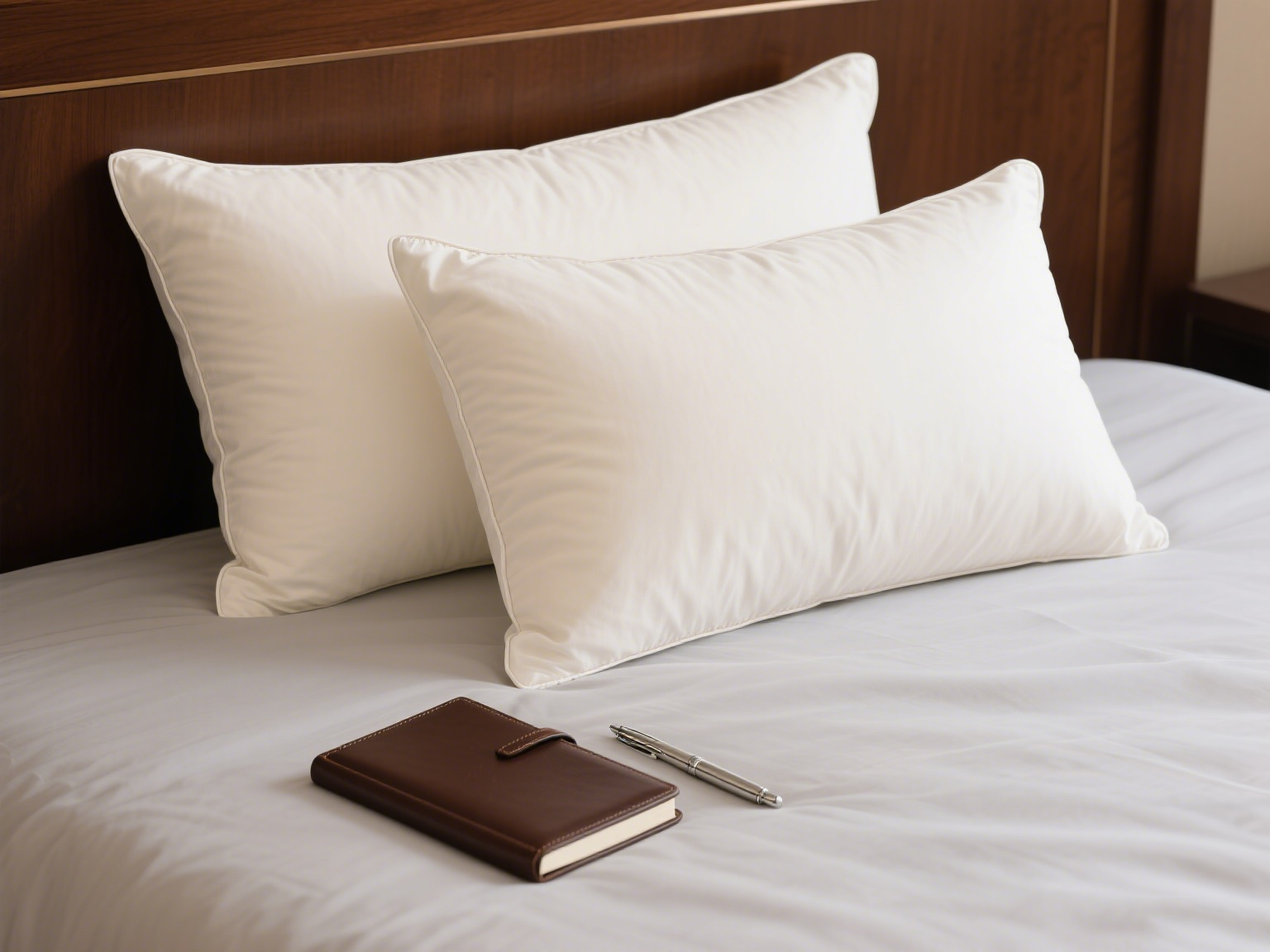
1.High-pile and high-density velvet barrier:
300 meshes per square inch, tightly woven mesh, preventing mites from penetrating (passed the anti-mite test ASTM F3150)
The 40S → 60S upgrade reduces the fiber gap to 0.1mm, achieving a balance between breathability and leak-proof insulation.
The miracle of moisture-wicking in twill weaving:
The 45° oblique yarn forms capillary channels, and the speed of humidity diffusion is twice as fast as that of the plain weave.
Ecological shrinkage treatment:
Processed by Swiss Santex shrinkage machine. After water washing, the shrinkage rate is less than 3% (as per national standards, it should be ≤ 5%)
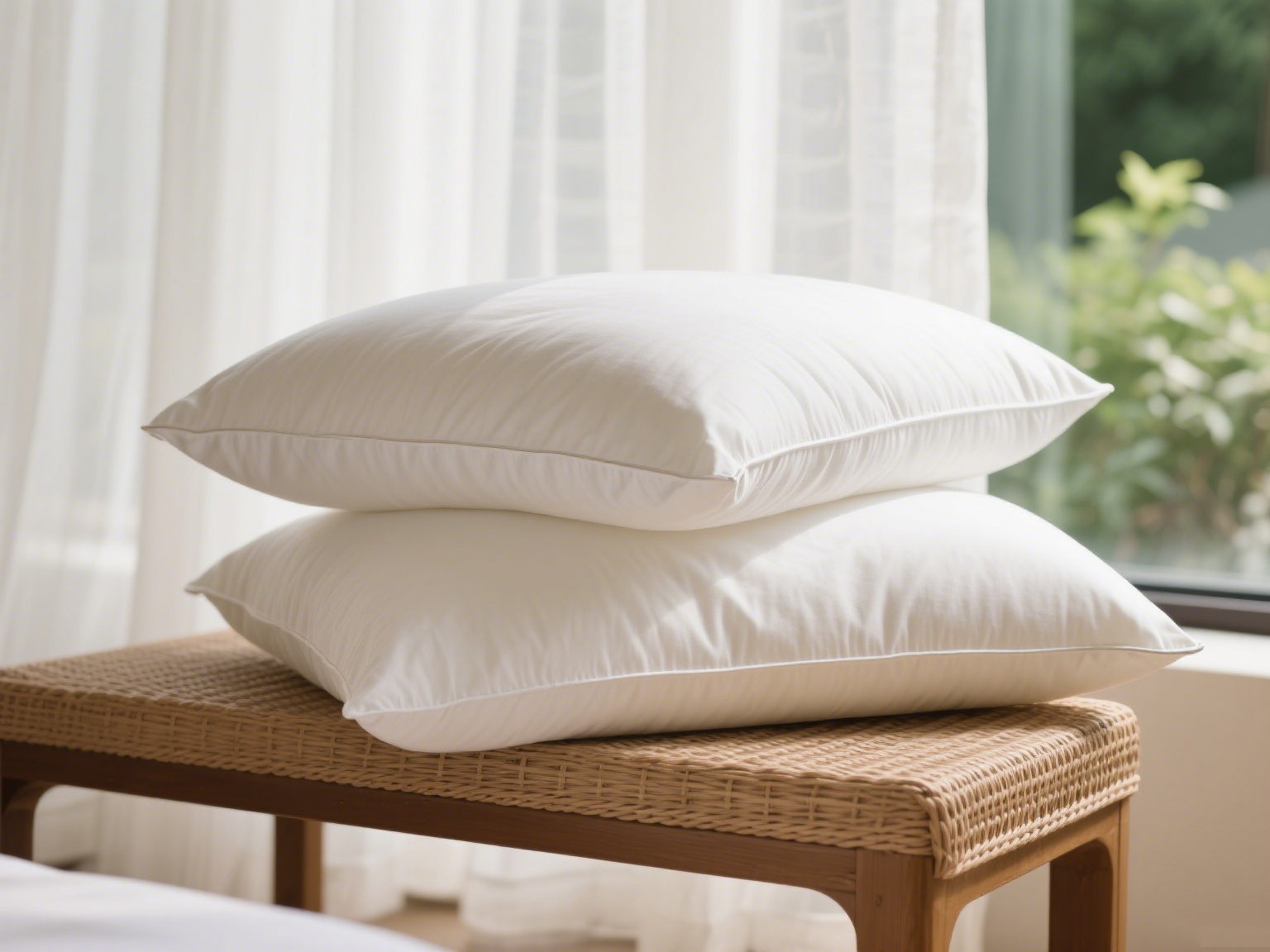
2.Comparative experiment: Moisture control through pressing of pure cotton pillows
[Simulated Sleep for 8 Hours Test] :
Cotton-polyester pillow: The moisture content in the neck area is 12.3% → It becomes a breeding ground for bacteria with excessive levels.
Memory foam pillow: Moisture content 9.8% → Gradual accumulation of a stuffy feeling
Cotton pillow core: Moisture content ≤ 8% → Always maintains a dry and comfortable zone
