





"The Revolution in Degradable Materials for Consumables: The Environmental Value of Hotel Consumables"
"The Revolution in Degradable Materials for Consumables: The Environmental Value of Hotel Consumables"
Degradable materials have become a must-have in the industry:
1.By 2025, the national "plastic ban" will be fully implemented. All hotels will be prohibited from using disposable plastic items (such as toothbrushes, combs, and laundry bags). Those who violate the rule will face heavy fines.
2. A certain chain hotel received 47 complaints from consumers in 2024 due to failure to replace biodegradable dental tools. Its OTA rating dropped by 0.5 points - this indicates a loss of 5% in room rate premium.
3. The degradable materials mainly consist of corn starch and straw. After being buried in the soil for one year, they decompose into organic fertilizer, while traditional plastics take a century to degrade.
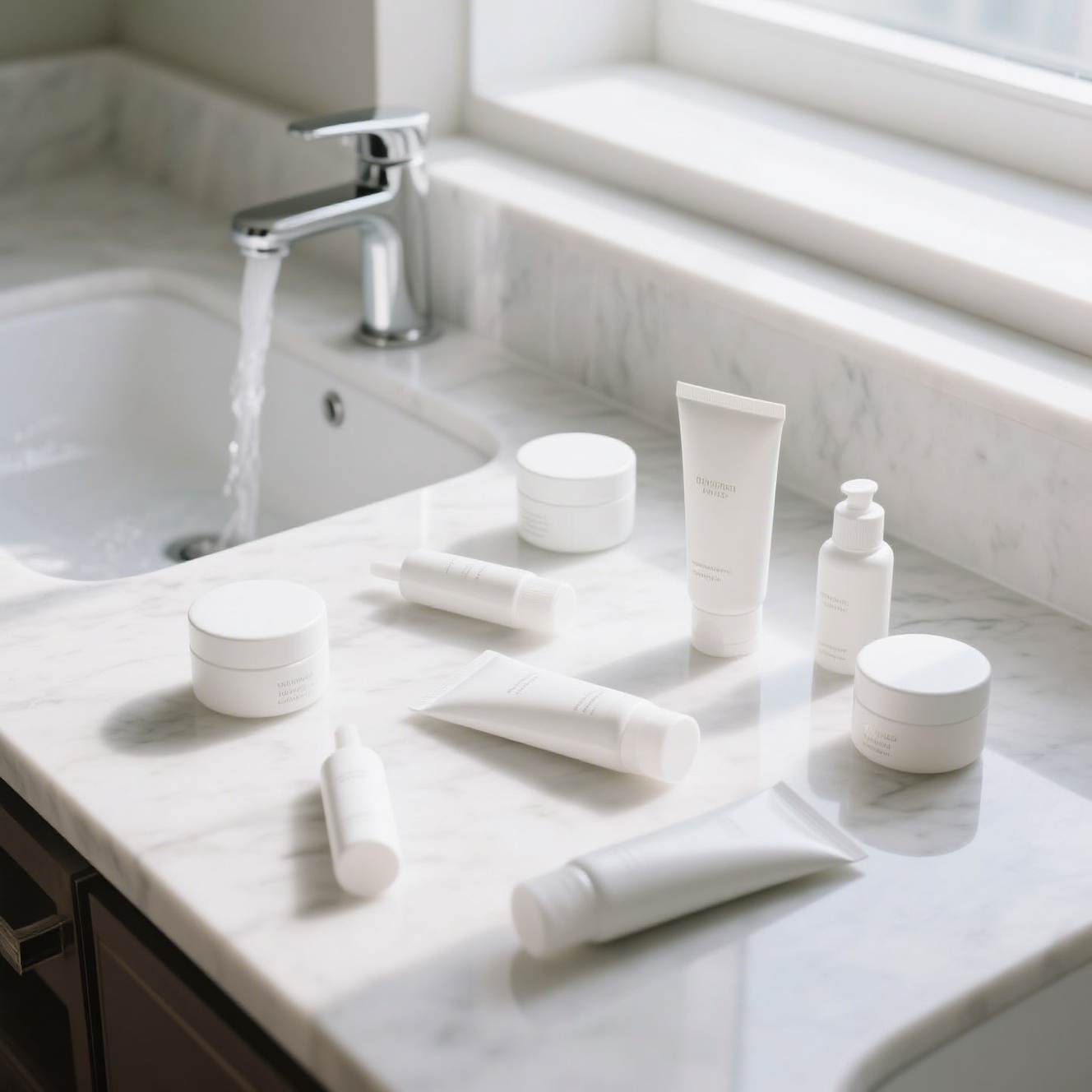
Performance Comparison: Real Data of Degradable Materials vs. Traditional Materials:
Product Specifications:
Corn starch degradable material:
(Cost per unit) ¥0.8 - 1.2 per piece (Compressive strength) 85% plastic level (Washing life) Not washable (One-time use) (Bacterial residue rate) 12%
TPR Plastic:
(Cost per unit) ¥0.3 - ¥0.5 per piece (Compressive strength) 100% (Washing durability) Not washable (Bacterial residue rate) 40%
Cotton-polyester blend:
(Cost per unit) ¥0.6 per piece (Compressive strength) 100% (Washing durability) Resistant to 30 washes (Fungal colony residue rate) 28%
Cracking the Pain Points:
Strength defect: The nano-stem strengthening technology developed by Shandong Fengyu has increased the toothbrush's bending resistance by 50%, while the cost only increased by 10%.
Moisture absorption deformation: The PLA + bamboo fiber composite process developed by Zhejiang Falin reduces the water absorption rate to 5% (compared to 15% for ordinary degradable materials).
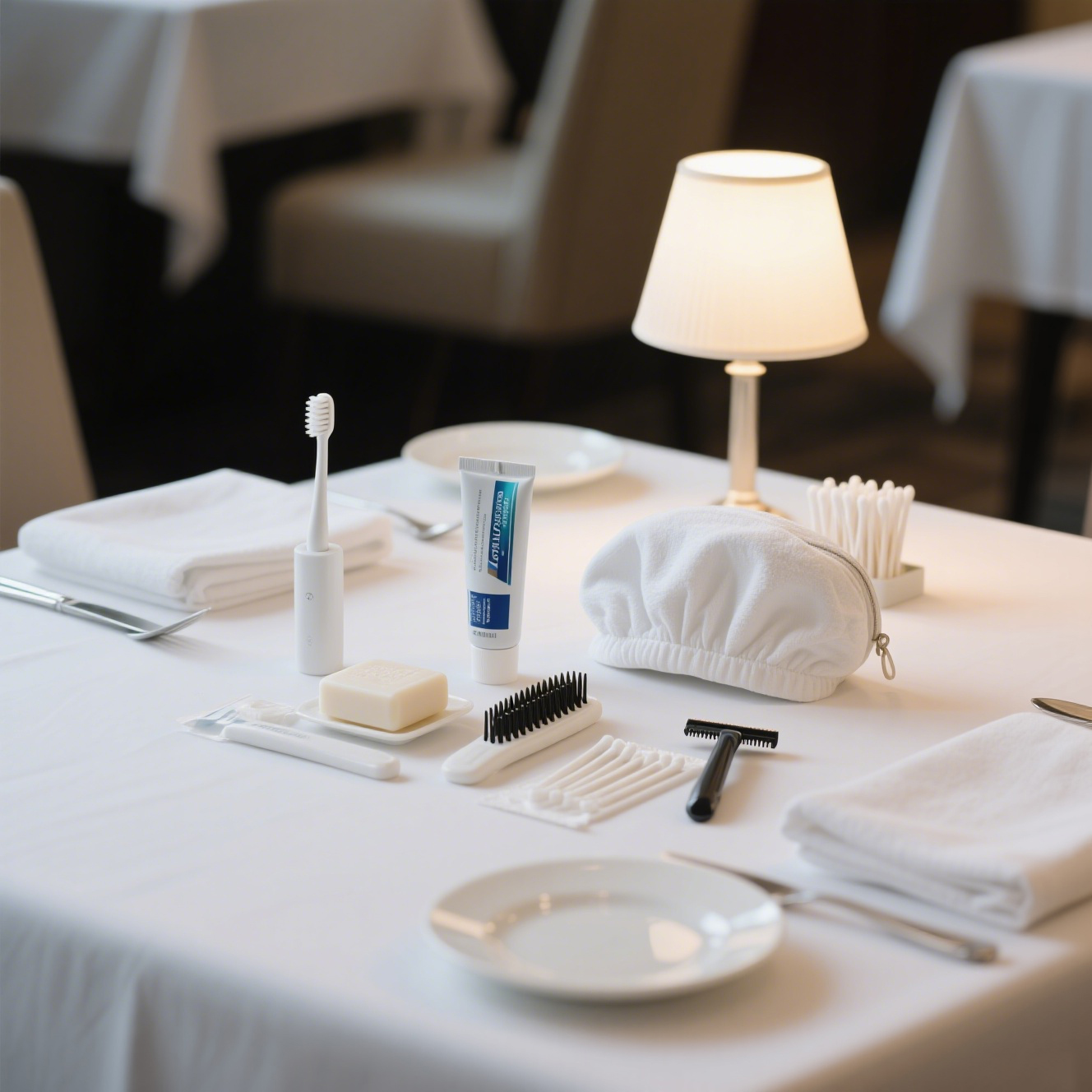
The "invisible battlefield" of top suppliers
Hanbi Textiles supplies FSC forest-certified toothpaste. The tubes contain seed capsules. When discarded, they grow into green plants. The "takeaway rate" in guest rooms reaches 35%.
Hapie Textiles offers: organic cleaning products, bottle bodies made from recycled sugarcane residue resin, with a 60% reduction in carbon footprint.
Hanbi Textile Linens: Direct supply from Xinjiang cotton fields + fully automated production line. Daily production capacity of degradable slippers is 50,000 pairs, with defect rate less than 0.8%.
