





Analysis of the Materials of Hotel Consumables: A Comprehensive Guide from Environmental Friendliness to Luxury !
Analysis of the Materials of Hotel Consumables: A Comprehensive Guide from Environmental Friendliness to Luxury
The material of consumable items directly affects their usage experience, environmental impact and the hotel's image. As a hotel manager or blogger, understanding the advantages and disadvantages of different materials can help you make more informed choices. This article will delve into the common materials of hotel consumables, including plastic, glass, bamboo and wood, and provide practical suggestions.
Common Materials of Consumable Items and Their Characteristics
Plastic material:
Plastic is the most commonly used material among traditional consumables, such as toothbrushes, combs and shower gel bottles. Its advantages include light weight, low cost and durability, but its drawback is severe environmental pollution. Every year, hundreds of millions of tons of plastic waste enter the oceans, causing ecological crises. Hotels can choose recyclable plastic or biobased plastic (such as PLA) to reduce their carbon footprint. For example, some high-end hotels have switched to using bottles made of recycled PET plastic, which is both environmentally friendly and aesthetically pleasing.
Glass and ceramic materials:
Glass bottles for shower gel or perfume are often used in luxury hotels to convey a sense of high-end quality. Glass can be recycled infinitely and does not release harmful chemicals, but it is fragile and heavy, increasing transportation costs. Ceramic containers are more elegant and suitable for spa areas, but require maintenance attention. If a hotel emphasizes sustainability, glass material is a good choice, but ensure there is a safe recycling system.
Bamboo, wood and natural materials:
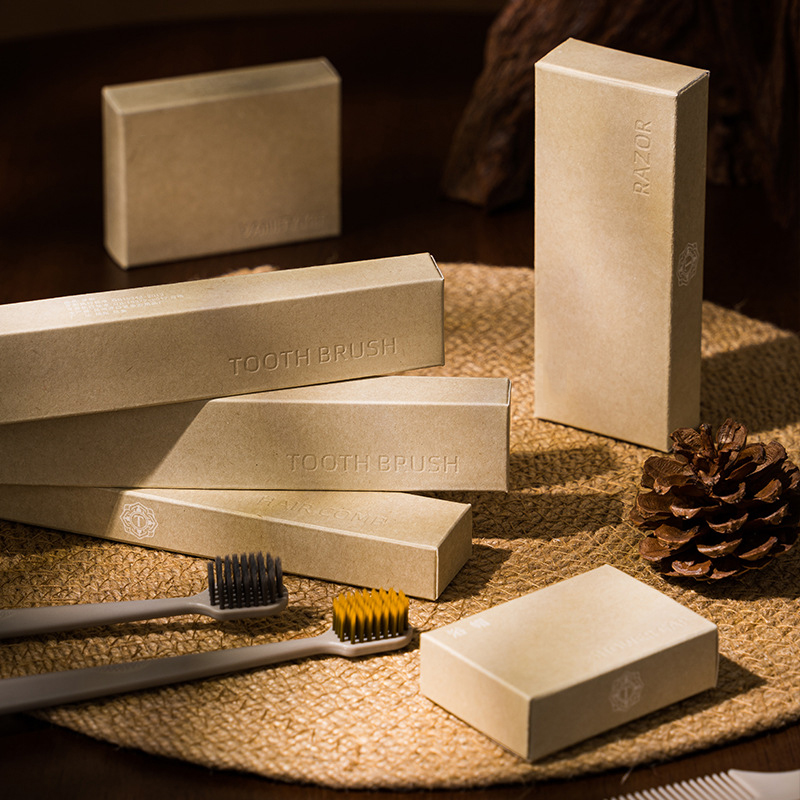
Bamboo toothbrushes, wooden combs or soap packaged in paper are becoming increasingly popular. Bamboo grows quickly, is biodegradable and has a low carbon footprint; wood gives a natural and warm feeling. These materials are suitable for eco-friendly hotels, but attention should be paid to moisture prevention and durability. For example, choose FSC-certified wood to ensure a sustainable source.
Biodegradable and Innovative Materials:
With the advancement of technology, new materials such as starch-based plastics and seaweed packaging have emerged. These materials can decompose rapidly in the natural environment, reducing long-term pollution. Hotels can consider collaborating with suppliers to adopt these innovative materials. This not only meets environmental protection requirements but also attracts younger generations of guests.
How to select materials based on the hotel's positioning?
Economy hotels:
Give priority to cost-effectiveness. Lightweight plastics or partially recyclable materials can be chosen, but a gradual shift towards environmentally friendly options should be made to align with market trends.
Mid-to-high-end hotels:
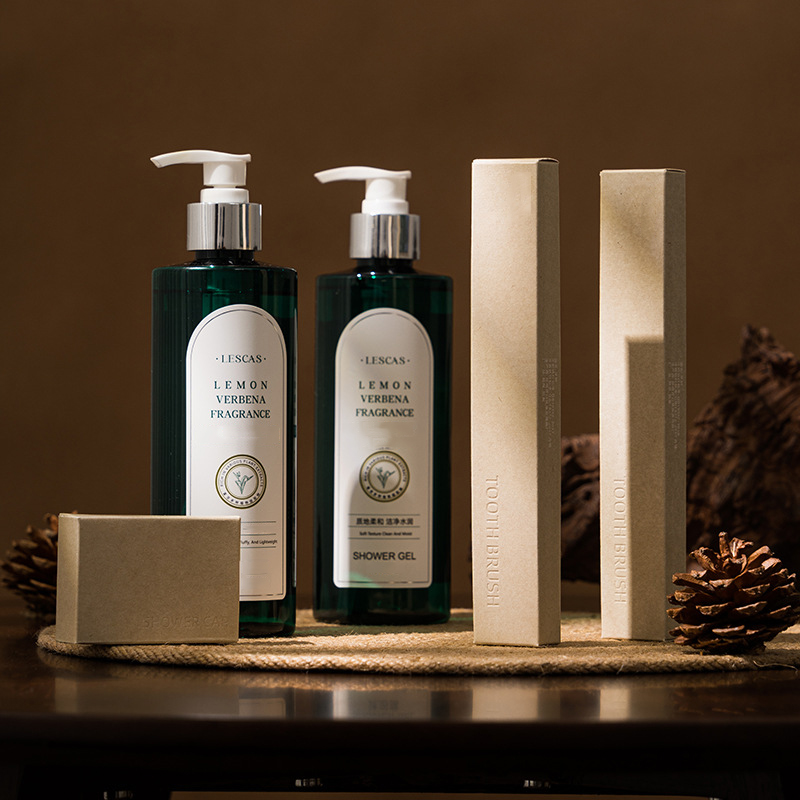
It is recommended to use a combination of glass, bamboo and wood materials along with biodegradable materials, emphasizing quality and sustainability. For instance, using bamboo toothbrushes paired with glass bottles for skincare products can enhance the overall experience.
Luxury Hotel:
High-end materials such as frosted glass or custom ceramics can be used for investment, combined with brand elements to create an unparalleled customer experience.
In conclusion, the choice of materials not only relates to environmental protection but also affects guests' perception and the hotel's reputation. As a Google blogger, it is recommended that hotels regularly assess material trends and discuss innovative solutions with suppliers. Through wise material selection, hotels can reduce their environmental impact while enhancing their competitiveness.
