





Exquisite weaving: How Do the details of towel craftsmanship contribute to the quality of a hotel!
Exquisite weaving: How Do the details of towel craftsmanship contribute to the quality of a hotel
The birth of a high-quality hotel towel is a symphony of yarn quality and precise weaving techniques. From the yarn to the finished product, the pursuit of excellence in every link is quietly safeguarding the comfortable experience of the guests.
Yarn is the cornerstone of a towel. High-quality pure cotton yarn usually selects long-staple cotton. Its fibers are long and strong, and the towels woven from it are particularly soft, durable and not prone to fuzz. The yarn count (such as 40S, 60S) indicates the fineness of the yarn. The higher the count, the finer the yarn, and the more delicate and smooth the hand feel of the finished product. Meanwhile, the weight per square meter (such as 500g/㎡, 600g/㎡) directly reflects the thickness and fluffiness of the towel. Towels with high weight per square meter have better water absorption and storage capabilities, providing guests with a more full and comfortable wrapping experience.
A towel that meets the five-star standard needs to go through 32 quality control processes. The core barriers are hidden in the selection of yarns, weaving logic and post-treatment techniques.
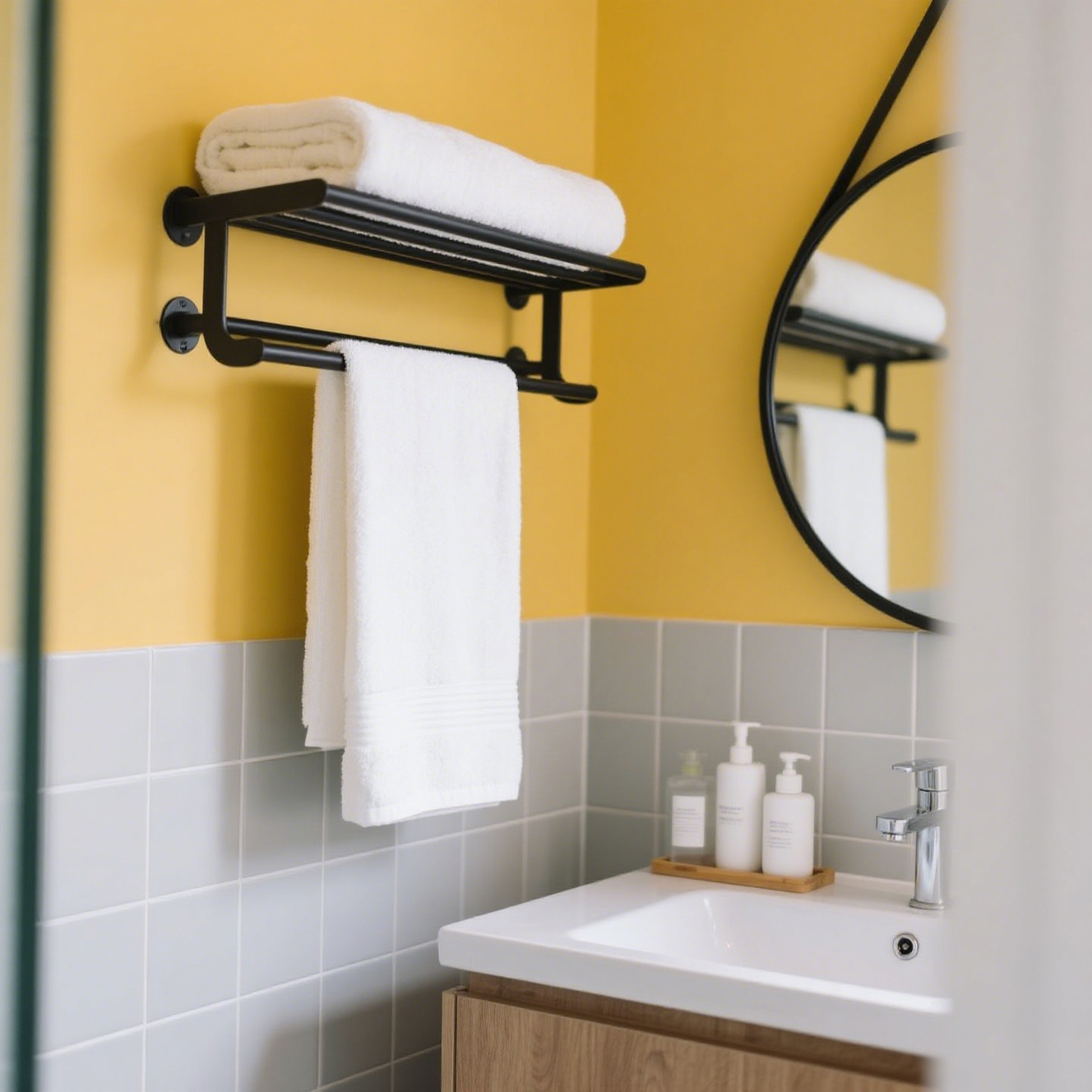
1.The "double-strand Trap" in yarn processing
Yarn types: 21-count single yarn (feature: low cost) suitable for economy hotels, 32-count double strand (double thickness) suitable for luxury hotel bath towels, 40-count combed (fine as silk) exclusive to luxury suites
2. The cost game between jacquard and plain weaving
Plain woven towels: Accounting for 70% of the hotel's purchase volume, they are enhanced in softness through brushing treatment.
Jacquard towels: Special jacquard machines are required to weave logos or patterns, increasing the cost by 30%, but the brand recognition is extremely high
3. The mystery of the durability of edge processing
The damage rate of the ordinary express train edge reaches 25% after 100 washes, while the three-needle edge wrapping process (needle spacing of 2.5 needles per centimeter) can extend the service life to more than 150 times 1418. For example, "reinforcing the sewing track" can increase the tensile strength of the sewing thread by 80%.
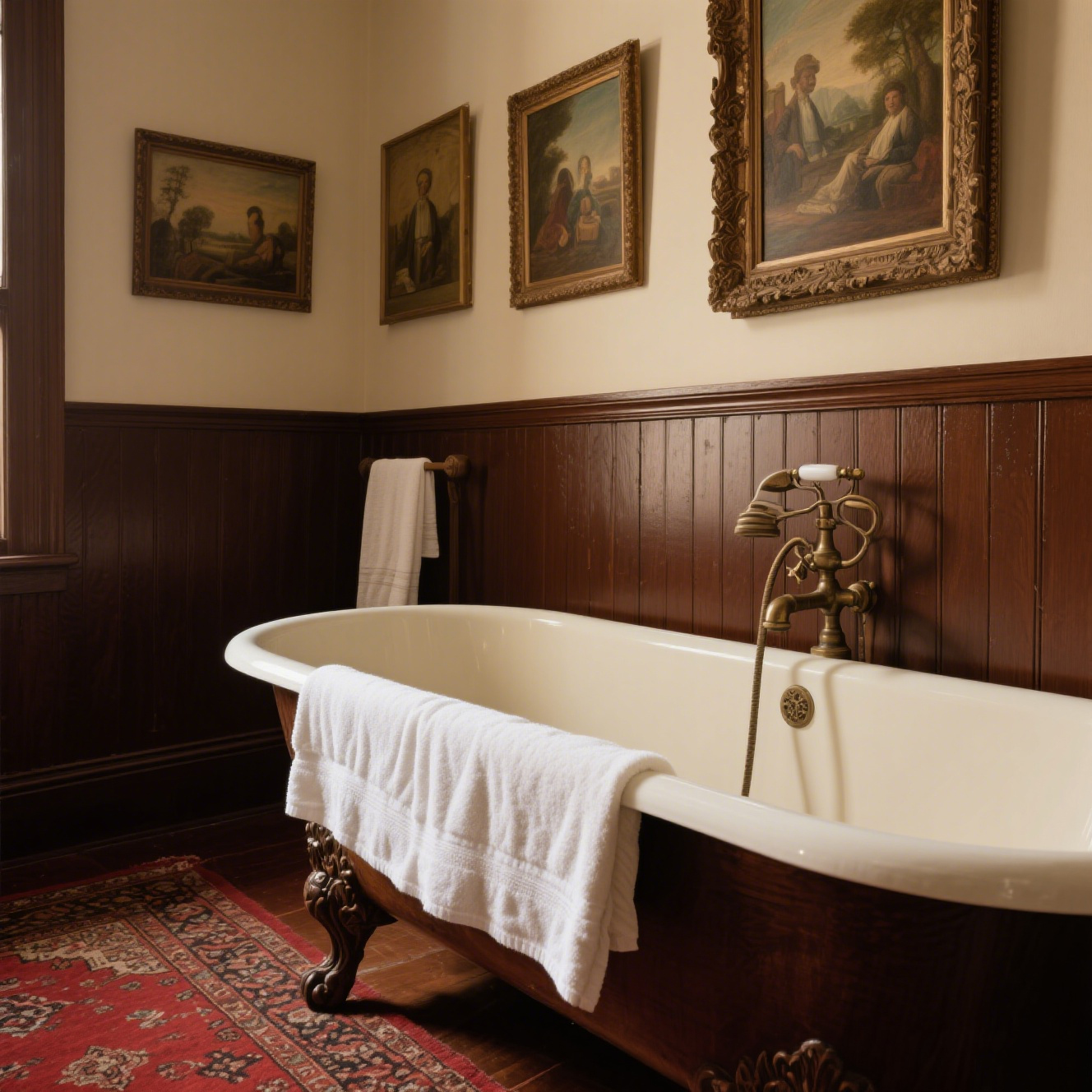
4. Procurement Cost Optimization Strategy:
Mixed-grade procurement: 32-count double-strand bath towels are used in guest rooms, and 21-count single-strand towels are downgraded to gym towels.
Centralized dyeing: Purchase large quantities of original white towels and dye them in batches according to quarterly demand to reduce inventory costs
During the weaving process, precise knitting or weaving equipment, in combination with specific organizational designs (such as loop height, density, and waffle structure), jointly determine the core performance of the towel - water absorption and fluffiness. The hair rings are high and dense, which can quickly adsorb and store a large amount of moisture. The unique Waffle texture effectively increases the surface area and accelerates the water absorption rate. Strong edge sewing techniques, such as wide edge wrapping or triple stitching, are the key defense line for the durability of towels. They can significantly reduce the risk of edge stringing and cracking, and extend the service life.
The post-treatment process endows the towel with its final hand feel, appearance and safety quality. The biological enzyme polishing treatment can gently remove the fuzz on the surface of the fibers, making the touch as smooth as velvet. Environmentally friendly dyeing and advanced color-fixing technology ensure bright and long-lasting colors, effectively prevent color fading, and avoid skin irritation. Strict pre-factory water washing treatment is carried out to remove impurities, enhance the skin-friendliness of the towels, and endow them with a natural and fluffy texture.
Every improvement in craftsmanship is a silent commitment to the guests' experience. From yarn to towels, the hotel weaves a legend of quality in every detail.
