





What does a hotel use to make a bed so comfortable?
What makes hotel beds so comfortable is that they have been carefully designed and selected in terms of mattresses, bedding,
pillows and bedding techniques. hanbi brings you the following tips for making a comfortable bed in a hotel.
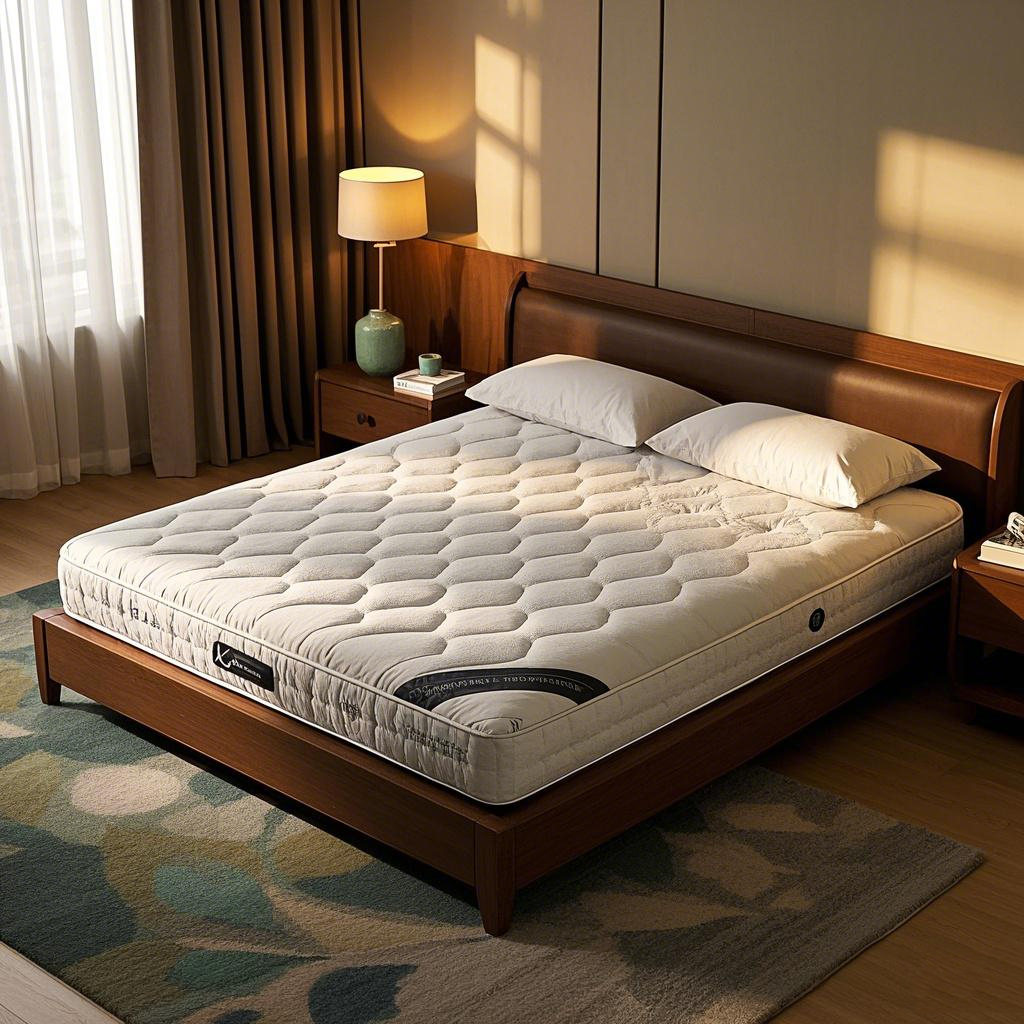
1. A high-quality mattress
Materials: Hotels often use memory sponges, hybrid mattresses (a combination of springs and sponges) or high-density sponge
mattresses, which provide excellent support and comfort.
Brands: Many hotels partner with high-end mattress brands such as Simmons, Schuta, Hampe or Srenz to ensure a consistent quality
sleep experience.
Hardness: Hotels usually choose mattresses with medium hardness, because this hardness is suitable for most people's sleeping
habits.
2. Soft mattress protector
What it does: The mattress protector adds a layer of softness to the mattress, making the bed feel more luxurious.
Materials: Common materials include memory sponges, down substitutes or down filled protective pads that fit the curves of the
body and provide cloud-like softness.
Thickness: Hotels usually use protective pads 2-4 inches thick for optimal comfort.
3. High-quality bedding
High-count sheets: Hotels usually use 300-600 sheets, which are soft, durable and breathable.
Material: Egyptian cotton, Pima cotton or high-quality long staple cotton are common choices because they are soft and durable.
Weaves: Plain or satin weaves are common. Plain sheets are breathable, while satin sheets are smoother and softer.
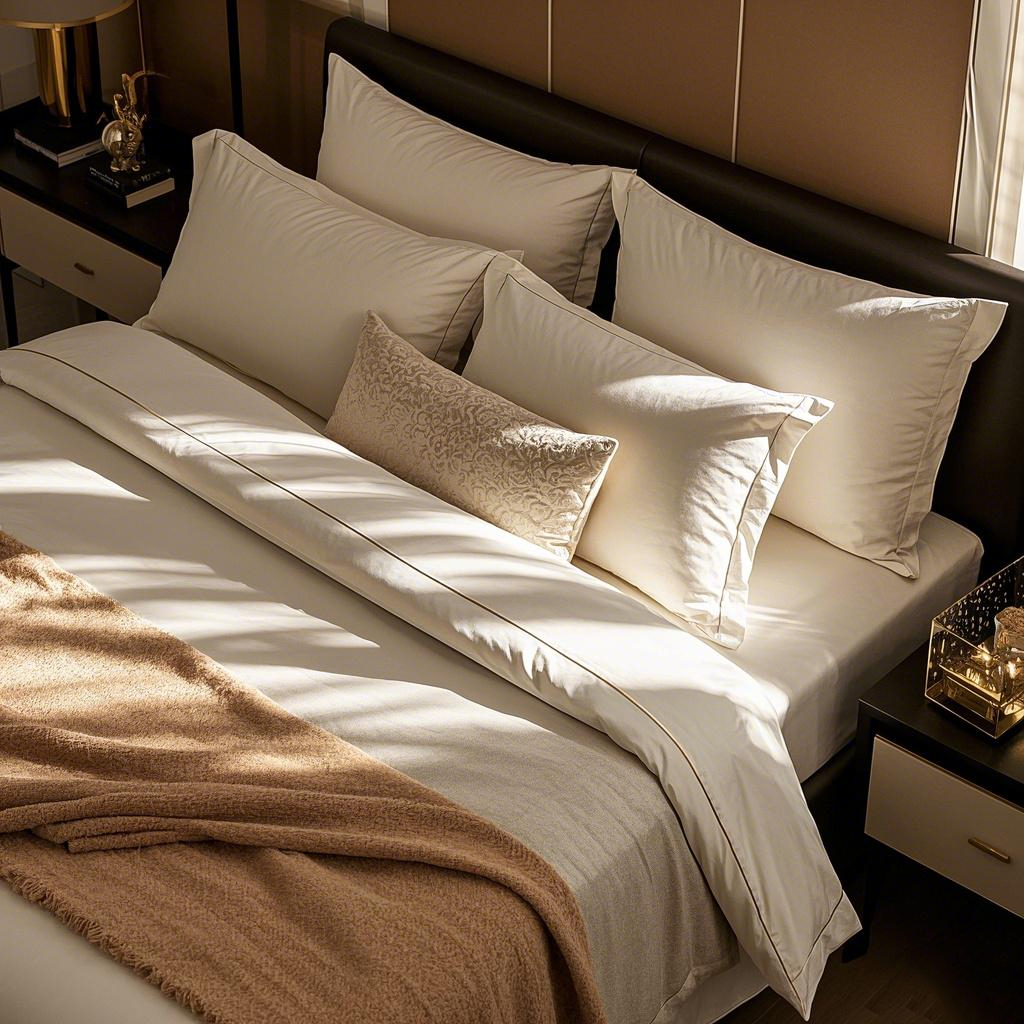
4. Layered bed design
Duvets or down replacement comforters: Hotels use down or down replacement comforters because they are light, warm and luxurious
to the touch.
Quilt covers: Quilt covers are usually made of high-quality cotton or linen and are easy to clean and ensure clean hygiene.
Blanket: A light blanket is usually added between the sheet and the bedding to increase the warmth and layer.
5. A wide selection of pillows
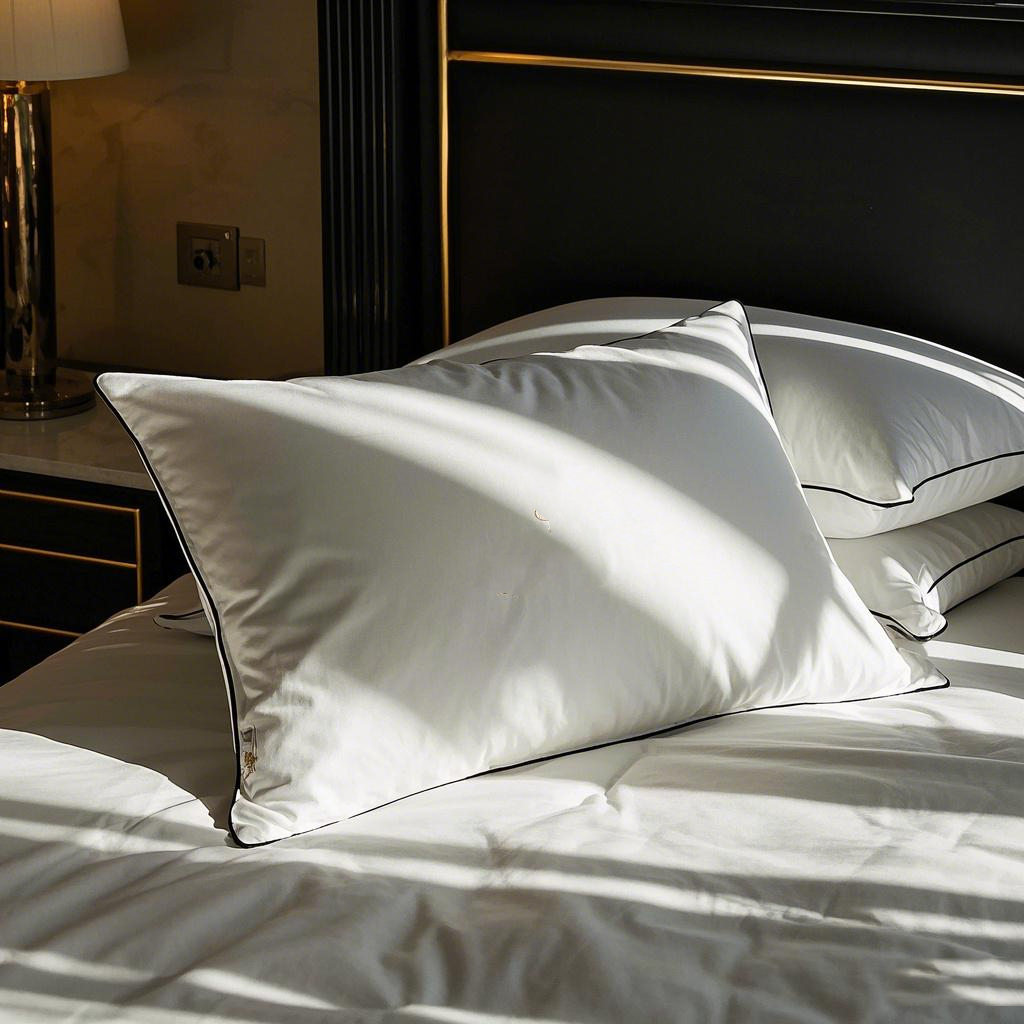
Variety: Hotels often offer pillows of different hardness (soft, medium and hard) to meet the needs of different guests.
Materials: Common materials include down, feathers, memory sponges or hypoallergenic synthetic fillers.
Pillow case: A pillow case is added under the pillow case to maintain hygiene and extend the life of the pillow.
6. Professional bed-making skills
Tight sheets: Hotel staff will use the "hospital corner" method to secure the sheets tightly to ensure that the bed is smooth and
wrinkle-free.
Layering: Hotels often use layering, including bedding, sheets, blankets and duvets, to create a fluffy and inviting bed.
Decorative elements: Decorative pillows, cushions and end towels add luxury to the bed.
7. Perform regular maintenance
Frequent washing: Sheets, duvet covers and pillowcases are changed after each guest's check-out to ensure cleanliness.
Mattress maintenance: The hotel regularly turns and rotates the mattress to maintain its shape and comfort.
Replacement cycle: Quality hotels regularly replace mattresses, pillows and bedding to ensure they are always in top condition.
8. Details
Fragrance: Some hotels use a light fragrance spray to create a relaxed and comfortable atmosphere.
Temperature control: Many hostels offer adjustable room temperature control and breathable bedding to ensure a comfortable night.
hanbi concludes:
What makes hotel beds so comfortable is that they have been carefully designed and selected in terms of mattresses, bedding, pillows
and bedding techniques. High quality mattresses, soft mattress protectors, high-count sheets, layered bed designs and a wide range of
pillow options combine to create a luxurious and comfortable sleep experience. In addition, professional bed-making skills and regular
maintenance also ensure that the bed is clean and durable.
