





What is the best amount of yarn for hotel bedding?
In-depth analysis of hanbi textile yarn number selection in hotel bedding
The choice of yarn number of hotel bedding is not only related to the guest's sleep experience, but also directly affects the hotel's brand image
and operating costs. hanbi uses the following in-depth analysis of the selection strategy of hotel bedding yarn count from multiple perspectives
to help hotel managers make more informed decisions.
One: the essence and influence of yarn number
1. Definition and significance of yarn count
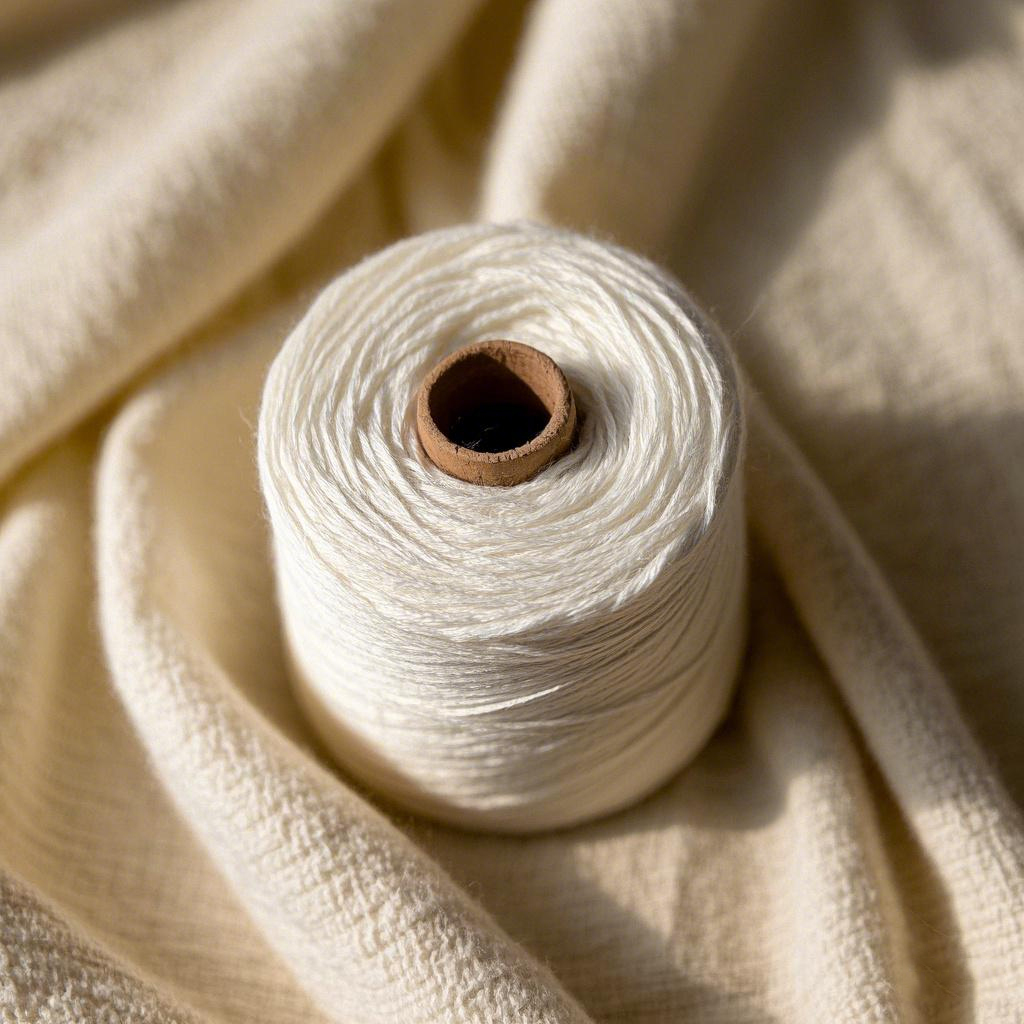
Number of yarn (Thread Count, TC) Refers to the total number of warp and weft threads per square inch of fabric. For example, a bed with a 300
yarn count means 150 warp and 150 weft per square inch. The higher the yarn count, the tighter the fabric and the softer and finer the feel.
2. The influence of yarn number on bedding
Comfort: High yarn count bedding is usually softer and smoother, providing a more comfortable touch.
Durability: Bedding with a moderate yarn count (e.g. 300-400) strikes a balance between tightness and durability and is suitable for frequently
cleaned hotel environments.
Air permeability: A high yarn count (such as more than 600) can cause the fabric to be too tight and affect air permeability, especially in warm or
humid environments.
Cost: The production and maintenance costs of high yarn count bedding are higher and need to be balanced according to the hotel's budget.
Two: In-depth analysis of the selection of hotel bed yarn number
1. Hotel grade and yarn number match
Economy Hotel (200-300 yarn count)
Target customers: travelers with limited budget, pay attention to cost performance.
Choice reasons: 200-300 yarn number of the bed cost is low, good durability, suitable for frequent replacement and cleaning. Although not as
comfortable as high yarn count beds, it is enough to meet basic needs.
Recommended material: ordinary cotton or blended material, taking into account cost and practicality.
Mid-range hotel (300-400 yarn count)
Target customers: mid-range travelers seeking comfortable experience.
Why you should choose: 300-400 yarn count beds strike a balance between comfort and durability, providing a better sleep experience while
controlling operating costs.
Recommended material: long staple cotton or high weight cotton, enhance the texture while maintaining durability.
High-end hotels (400-600 yarn count)
Target customers: high-end travelers seeking luxury experience.
Why choose: 400-600 yarn count of the bed is soft and delicate, can provide the ultimate comfort, in line with the high-end hotel brand positioning.
Recommended material: Egyptian cotton, Pima cotton or Tencel, focusing on high quality and luxury.
2. Balance of yarn count and operating cost
Initial cost: High yarn count bedding is more expensive to purchase, but can improve customer satisfaction and brand image.
Maintenance costs: High yarn count bedding may require more elaborate care (such as low temperature washing, avoiding strong drying), increasing
maintenance costs.
Service life: Bedding with a moderate number of yarn (such as 300-400) is more durable in an environment of frequent cleaning and use, and can
reduce long-term replacement costs.
3. The relationship between yarn count and guest experience
Comfort: High yarn count bedding can provide a softer touch and improve the quality of sleep for guests.
Health: The bed with good air permeability (such as 300-400 yarn number) is more suitable for hot or humid areas to avoid guests feeling stuffy.
Psychological feeling: High yarn count bedding is often considered a symbol of high quality, can improve the guest's overall evaluation of the hotel.
Three; Errors and precautions in yarn number selection
1. Myth: The higher the yarn count, the better
Fact: Yarn count is not the only factor that determines the quality of bedding. Too high a yarn count can cause the fabric to be too tight, affecting air
permeability and comfort. In addition, high yarn count bedding may not be durable if the yarn quality is poor.
2. Precautions
Yarn quality: Choose high-quality yarns such as long staple cotton and Egyptian cotton to ensure the softness and durability of the bedding.
Weaving process: Satin weave can provide a smoother touch, suitable for high-end hotels; Plain and twill weave rules are more durable and suitable
for budget and mid-range hotels.
Season and climate: In hot or humid areas, choosing a bed with good air permeability (such as 300-400 yarn count) is more important.

Four: Actual case analysis
1. Successful selection of budget hotels
Case: A budget hotel chain chooses a blended bed with 250 yarn count, which is low cost and durable, and can meet the needs of frequent
replacement. By providing clean and tidy bedding, the hotel achieves a high level of customer satisfaction.
2. Balancing strategy for mid-range hotels
Case: A mid-range hotel chooses 350 yarn number of long-staple cotton bedding, which not only improves comfort, but also controls the cost. By
offering a quality sleep experience, the hotel attracts more repeat customers.
3. Luxury experiences in high-end hotels
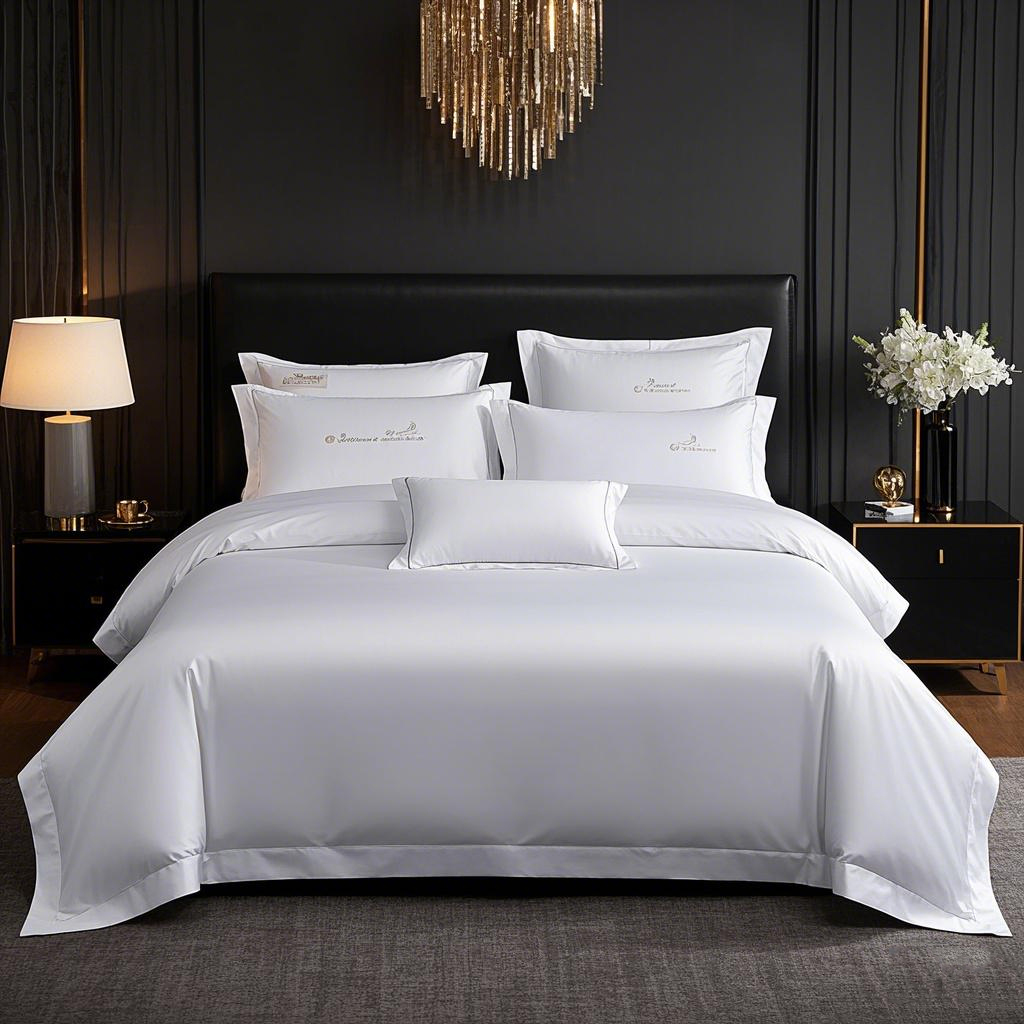
Case: Like our hanbi recommend to five-star hotels will choose 500 yarn count Egyptian cotton bedding, with satin weaving, to provide the ultimate
softness and luxury. This choice is in line with the hotel's high-end positioning and has won high praise from customers.
Five: Summary and suggestions
The selection of yarn number of hotel bedding needs to consider the hotel grade, target customers, budget and operating costs. Here are some specific
suggestions:
Economy hotel: Choose 200-300 yarn number of bedding, pay attention to durability and cost control.
Mid-range hotel: Choose 300-400 yarn number of bedding, balance comfort and operating costs.
High-end hotel: Choose 400-600 yarn number of bedding, provide luxury experience, enhance brand image.
Finally, hanbi would like to say that regardless of the number of yarn selected, yarn quality, weaving process and air permeability are all factors that
cannot be ignored. Through a scientific selection strategy, hotels can provide guests with a quality sleep experience while maximizing operational
benefits.
