





Hotel Pure Cotton Towels: A Comprehensive Guide from Material Characteristics to Selection!
Hotel pure cotton towels: A Comprehensive guide from material Characteristics to Selection, unlocking a high-end bathroom experience
In the bathroom Settings of high-end hotels, pure cotton towels are the silent representatives of quality service - their fluffy loops, smooth touch, and the ability to instantly absorb moisture offer guests a "feeling as if basking in the clouds" experience. As the core category of hotel linen, pure cotton towels, with their unique advantages of natural fibers, have become synonymous with industry standards and consumer trust. This article will deeply analyze the secrets of hotel-grade pure cotton towels from three major dimensions: material characteristics, touch experience, and purchasing skills.
One: Material Analysis: The "natural genes" and process codes of pure cotton
1.The three core advantages of pure cotton
Hotel towels are generally made of pure cotton, due to its irreplaceable natural properties:
Moisture absorption and breathability: The porous structure of cotton fibers can absorb 20 times their own weight in water, quickly removing moisture from the body surface and avoiding a stuffy feeling.
Durability and stability: Resistant to high temperatures (no damage to fibers below 110℃) and strong alkali resistance, suitable for the high-frequency washing and high-temperature disinfection processes in hotels.
Skin-friendly safety: The natural pH value is close to that of human skin and contains no chemical irritants, making it especially suitable for people with sensitive skin.
2. The "Golden Combination" of yarn count and weaving method
The quality of towels in high-end hotels depends on the scientific ratio of yarn count (yarn thickness) and weaving method:
Yarn count selection: Commonly, 21-count and 32-count single-strand or double-strand yarns are used. The higher the count, the finer the yarn (for example, 40 count is more delicate). The double-strand process can enhance thickness and durability.
Weaving classification:
Plain weave: The warp and weft yarns are interwoven one up and the other down. It has a low cost but a relatively hard touch, and is mostly used in economy hotels.
Satin texture: A complex structure of three up and one down, with a smooth surface like silk. Five-star hotels prefer this luxurious touch.
Jacquard: A pattern formed through three-dimensional weaving, it has a unique style but is relatively expensive, and is commonly seen in theme hotels.
3. The "Noble Bloodline" of long-staple Cotton
Top hotels often choose Egyptian long-staple cotton or Xinjiang long-staple cotton, with a fiber length of over 35mm (30% longer than ordinary cotton). The yarns spun from them are finer, and the finished products have a silky luster and anti-wrinkle properties. For instance, the bath towels of Four Seasons Hotel mostly adopt a single-layer 400-count satin finish, which becomes softer and softer with use after washing.
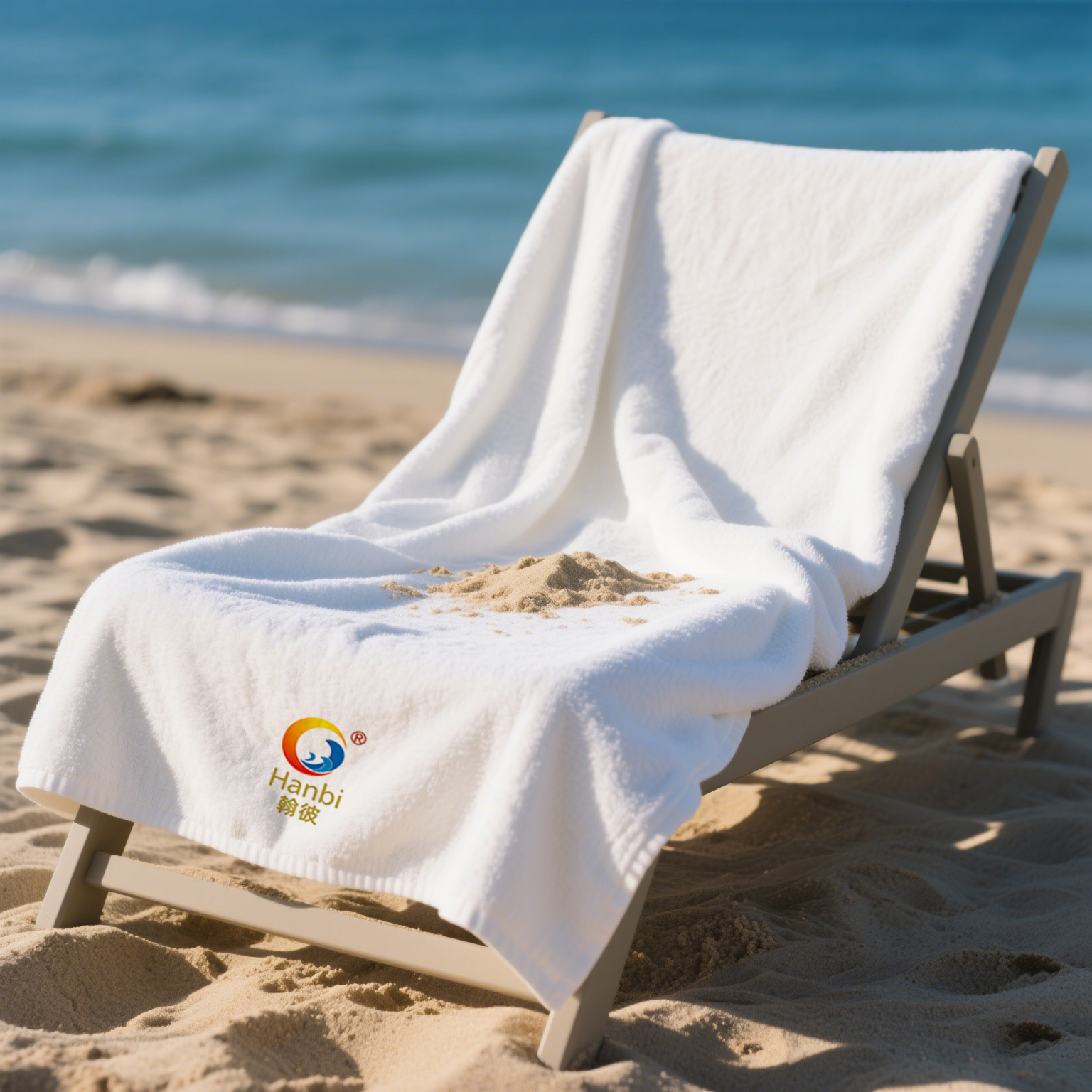
Two: Tactile Experience: Detailed control from fluffiness to functionality
1. Ring structure and tactile layers
The touch of high-quality pure cotton towels is determined by the height and density of the loops:
Fluffiness: The height of the ring is ≥3mm and evenly distributed, which can form an air cushioning layer and reduce skin friction when wiping.
Weight standard: The weight of high-end bath towels is ≥500g/㎡, with a thick hand feel and a 40% improvement in water absorption efficiency.
2. The "Golden Rule" of Water Absorption Testing
Consumers can determine the authenticity of the material through simple experiments:
Lay a dry towel flat on the water surface. Pure cotton products will sink within 5 seconds, while polyester-containing blends will float.
After absorbing water, wring it out and hanging it, a pure cotton towel will not have continuous water droplets, while a synthetic fiber one will keep dripping.
3. Double guarantee of healthy touch
High-end hotels avoid common problems through process optimization:
Anti-shedding treatment: Use the no-twist process or double-strand twisting technology to reduce fiber shedding (inferior towels are prone to leaving lint after washing).
Antibacterial design: Some brands incorporate silver ion coatings or bamboo fiber blends to inhibit the growth of microorganisms such as Escherichia coli.
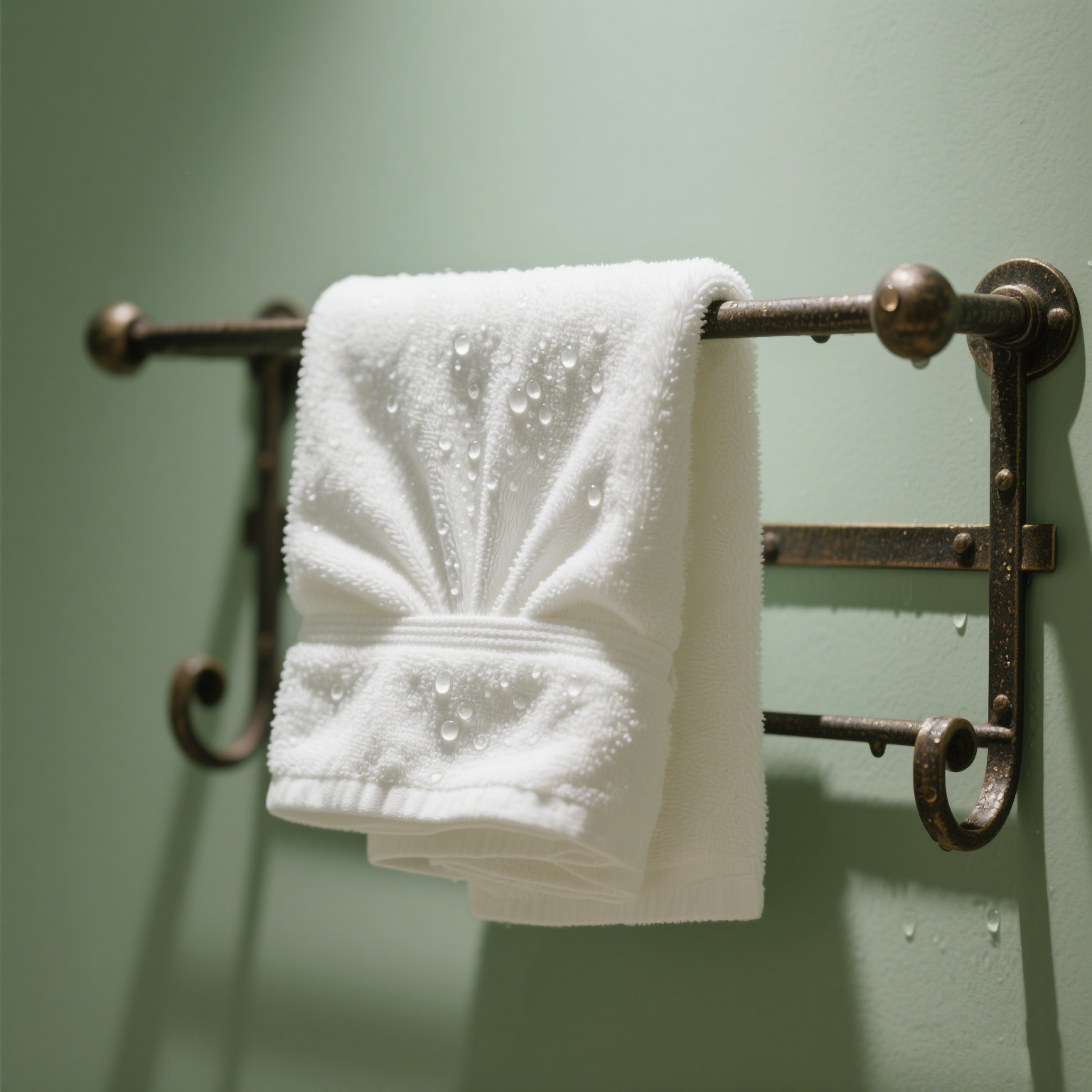
Three: Purchasing Guide: Five Steps to Lock in Hotel-level Quality
1. Check the parameters: yarn count, grammage and certification
Yarn count density: For daily use, choose 21-32 count single-strand yarn. For high-end demands, 40-count or higher long-staple cotton can be selected.
Weight range: It is recommended that face towels weigh 130-180g per piece and bath towels weigh 500-800g per piece.
Certification mark: Give priority to choosing OEKO-TEX 100 eco-certified or Class A textile standard products.
2. Inspect the craftsmanship: sewing and detail handling
Sewing standard: Stitch spacing of 2-2.5 stitches per centimeter. The edge wrapping adopts three-line lock stitching, and the use of split thread is avoided.
Ring inspection: Unfold the towel and observe it against the light. The rings should be upright and uniform, without any bald hairs or broken yarns.
3. Distinguish Authenticity: Four Tricks to Spot Material Traps
Burning method: Pure cotton turns into grayish-white powder after burning, while chemical fibers melt into hard lumps and give off a plastic smell.
Ultraviolet light detection: The polyester fiber shows a fluorescence reaction under the banknote detector lamp.
Hand feel comparison: Pure cotton is fluffy and soft, while synthetic fiber material is slippery and stiff.
Fading test: Soak in hot water at 80℃. Inferior products will lose a large amount of color.
4. Emphasize maintenance: The secret to extending service life
Washing specifications: Water temperature ≤35℃, neutral detergent, avoid washing with metal parts.
Drying technique: Low-temperature rolling in the dryer can restore the fluffiness and prevent the fibers from becoming brittle due to excessive sun exposure.
Disinfection cycle: Boil for 10 minutes or microwave heat for 5 minutes every week to kill 99% of bacteria.
5. Avoid Common pitfalls: Common Cognitive traps
Misconception 1: "Dark colors are more durable" : Dark dyes damage fibers, but in fact, light-colored towels have a longer lifespan.
Misconception 2: "Embroidery shows high-end quality" : The pinholes in embroidery damage the fiber structure and instead reduce water absorption
