





Why are the towels in the hotel so good? -- Analysis from Materials, Craftsmanship and Market Strategies!
Why are the towels in the hotel so good? -- Analysis from Materials, Craftsmanship and Market Strategies!
The high-quality experience of hotel towels often leaves a deep impression on consumers, which involves material selection, production processes, procurement strategies, and the comprehensive advantages of suppliers. The following analysis is conducted from four dimensions: pure cotton material, technological innovation, purchaser demands, and enterprise competitiveness.
One: Pure cotton material: The cornerstone of comfort and durability
Pure cotton is the preferred material for hotel towels. Due to its natural skin-friendly, moisture-absorbent and breathable properties, it can significantly enhance the user experience. Pure cotton fabrics are mainly divided into two production processes: plain weave and twill weave.
Plain pure cotton: The warp and weft yarns are vertically interwoven, with a tight structure and high tear strength, making it suitable for hotel scenarios with frequent washing. High-count plain weave fabric has a fine touch and is often used in high-end embroidery designs.
Twill pure cotton: The interweaving Angle of the yarns is inclined, the floating thread is longer, the hand feel is softer, and the comfort level is better than that of plain weave. Although its strength is slightly lower, its fluffy texture and three-dimensional effect are more in line with the quality requirements pursued by hotels.
In addition, the natural properties of pure cotton reduce the risks of static electricity and allergies, making it particularly suitable for towel products that come into direct contact with the skin, thus becoming a core consideration for hotel purchases.
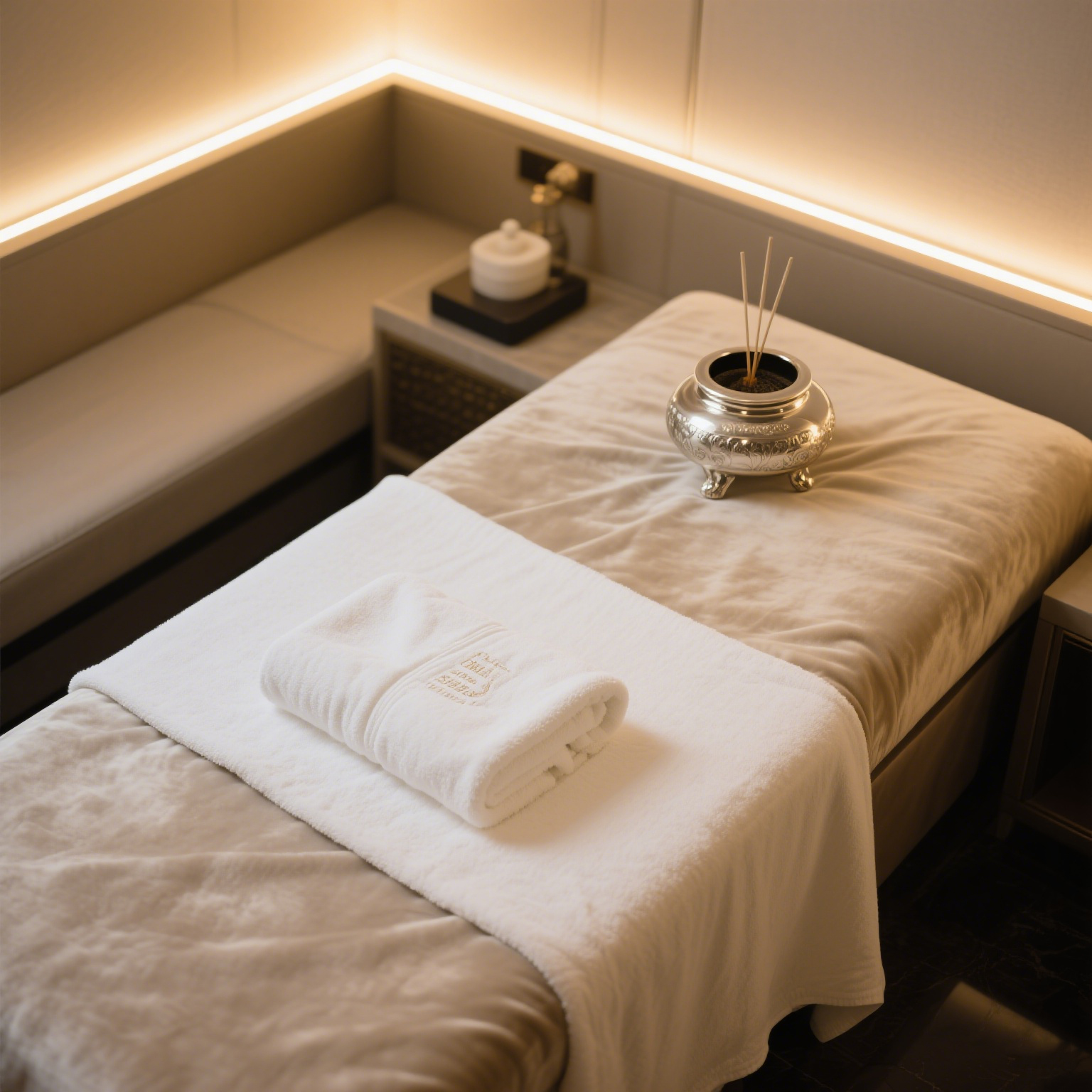
Two: Technological Innovation: The Integration of Functionality and Aesthetics
The outstanding performance of hotel towels is inseparable from meticulous craftsmanship:
Texturing treatment: Through texturing technology, short and dense fluff is produced on the surface of the fabric to enhance its warmth retention and softness. This technique not only enhances the touch but also endows the towel with multi-scenario applicability of being "warm in winter and cool in summer", while also featuring durable properties such as anti-pilling and anti-fading.
Functional fiber applications: such as bamboo fiber towels, by taking advantage of the antibacterial properties of natural bamboo and combining with a breathable hole structure design, they achieve a "cool but not icy" body sensation and have far-infrared health care functions, which aligns with the positioning of high-end hotels for a healthy lifestyle.
High-density weaving and mercerizing treatment: The Gongsatin technique uses a weaving method where three warp yarns are interwoven once to make the towel surface as smooth as silk, with both elasticity and luster. At the same time, the mercerizing and singeing technology removes the fuzz of the yarn, further enhancing its durability.
Three: Attraction points for purchasers: Dual guarantees of quality and efficiency
When hotel purchasers choose towel suppliers, they focus on the following core elements:
Quality certification: Standardized test reports on functions such as antibacterial, deodorizing, anti-mite and anti-mold are the key basis for purchasing decisions. For instance, the natural antibacterial property of bamboo fiber towels, or the Class A safety standard of pure cotton towels.
Cost control and customization: Blended polyester-cotton fabrics are widely used in categories that do not come into direct contact with the skin (such as quilt covers), balancing cost and durability. Meanwhile, the supplier provides customized design services to meet the unified style requirements of the hotel brand.
Supply chain efficiency: A one-stop procurement platform, by integrating diverse product lines and reducing intermediate links, helps hotels lower time and logistics costs, making it particularly suitable for large-scale procurement by chain brands.
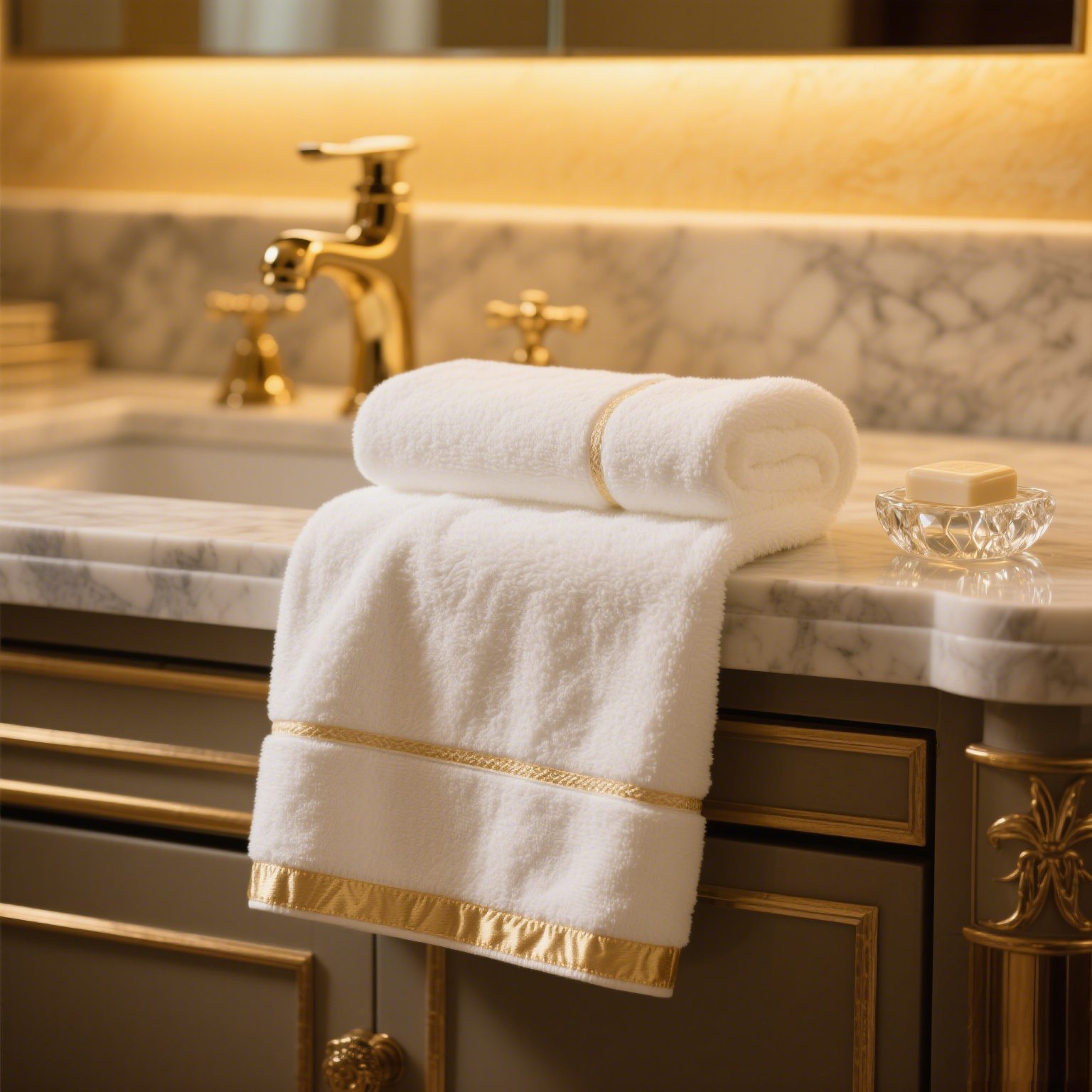
Four: Enterprise Competitive Advantage: An industry benchmark taking "Hanbi" as an example
As a supplier of high-end hotel supplies, the competitiveness of "Hanbi" is reflected in:
Global resource integration: We offer full-chain services from design to production, covering multiple categories such as pure cotton, bamboo fiber, and brocade, to meet the positioning needs of different hotels.
Technological research and development strength: It was the first to apply processes such as brushing and mercerization, and developed functional products (such as negative ion towels), leading the industry's innovation trend.
Precision customization service: Plan an overall solution in line with the hotel's style, such as providing high-support plain weave series for business hotels or designing bamboo fiber ecological products for resort hotels to enhance brand differentiation.
Exhibition and channel linkage: By participating in international exhibitions (such as the Zhengzhou Home Textile Exhibition), directly connect with purchasers and distributors to expand market penetration. At the same time, leverage industry summits to enhance brand influence.
Conclusion:
The high-quality experience of hotel towels is the result of the synergy of materials, craftsmanship and the supply chain. The natural advantages of pure cotton, the functional extension of innovative processes, the purchasers' pursuit of efficiency and quality, as well as the comprehensive service capabilities of suppliers, jointly build the high standards of this industry. In the future, as consumers' concern for health and environmental protection deepens, the application of sustainable materials such as bamboo fiber and linen will further promote the upgrading of hotel textiles.
