





What Towels Do Most Hotels Use?
What towels do most hotels use?
-- Revealing the material selection standards and business logic of hotel towels
hanbi Introduction:
Hotel towels are not only the core details of room service, but also the key to shaping brand image and customer loyalty. According to statistics,
high-quality towels can increase customer satisfaction with the bathroom experience by 35%. From budget chain hotels to five-star luxury resorts,
the choice of towels directly affects customer re-purchase rates and operating costs. This article will deeply analyze the material, process, size and
maintenance standards of hotel towels, and reveal the business logic behind it.
one:material: the dominance of long staple cotton
Egyptian cotton and Turkish cotton:
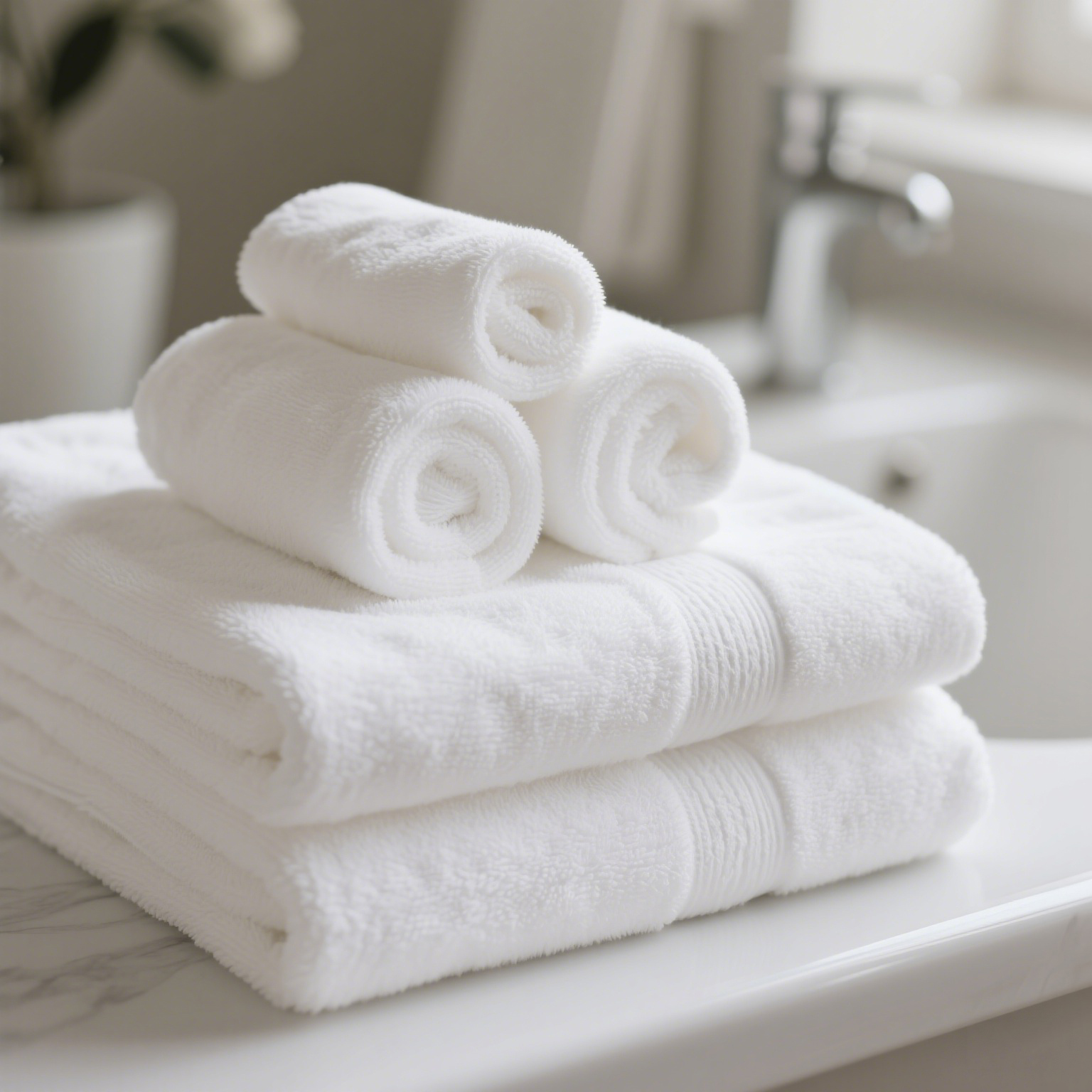
High-end hotels (such as Four Seasons, Amanom) generally use Egyptian cotton or Turkish cotton, its fiber length is more than 35mm, the yarn is
fine and uniform, and the touch is smooth like silk. The natural curly structure of Egyptian cotton fibers can absorb more water, absorb 40% more
water than ordinary cotton, and can withstand more than 300 washing times.
Cost-effective choice of blended materials:
Mid-range hotels often use cotton and Tencel ™ blends (e.g. 60% cotton +40% Tencel ™) to reduce costs by 15% while maintaining 80% softness.
Amazon's hot-selling Cotton Paradise 6-piece set, for example, uses a Turkish cotton blend and has a 4.5 star customer rating.
Environmental Trends:
Some hotels have introduced bamboo fiber blend towels (such as the Mosobam Hotel collection) that combine antibacterial and quick-drying properties
for swimming pools or spas.
2. Process and parameters: Details determine experience
GSM (gram weight) classification:
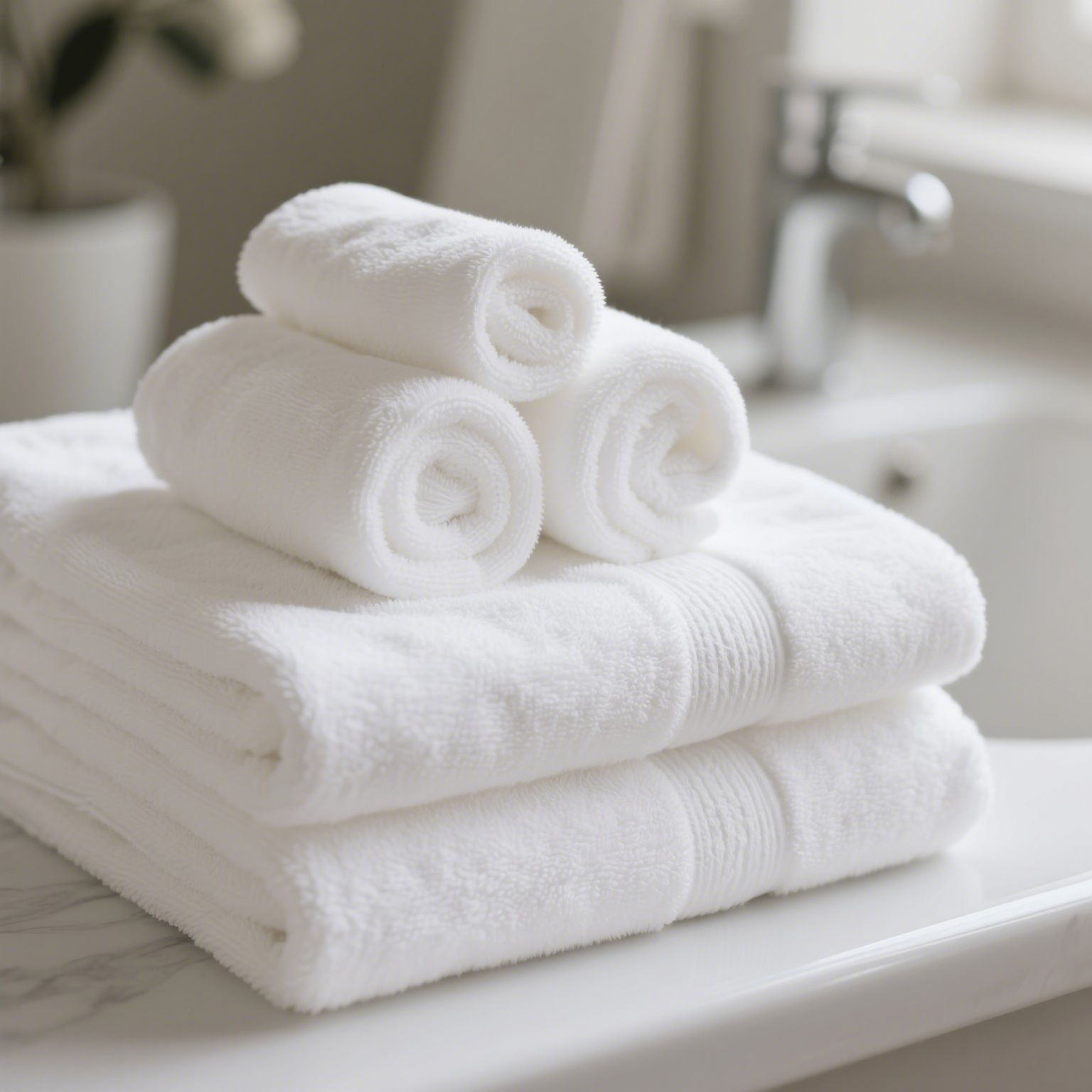
Economy (300-400 GSM) : Used in gyms or fast hotels, low cost but rough touch.
Mid-to-high end (500-700 GSM) : Mainstream five-star hotel options such as Frontgate Egyptian Cotton Bath Towels (800 GSM) balance softness
and durability.
Luxury (800+ GSM) : Exclusive to top brands such as the Four Seasons Hotel, it provides a "cloud-like package", but the maintenance cost is higher.
Carding and weaving method:
Double needle reinforcement edge: prevent opening after washing, load-bearing strength increased by 50%.
Jacquard weave: For added beauty, often found in high-end collections (such as Boll & Branch diamond jacquard bath towels).
Health Certification:
Through OEKO-TEX® certification to ensure no chemical residue, some hotels implanted high temperature chips to track the number of washing, to
achieve "one guest, one exchange" transparent management.
Third, size and function: fine classification
According to the American Soft linen Association standard, hotel towels are divided into five categories by use:
Bath Towel:
Size: 27" x 54", weight ≥600g, for drying the body.
High-end hotels may upgrade to 35" x 70" bath towels (Jumbo size), such as the Mosobam Luxury Series .
Hand Towel:
Size: 16" x 28", folded and placed on the sink for hand wiping.
Face cloth (Washcloth) :
Size: 13" x 13", for makeup removal or cleaning, need to be replaced at high frequency.
Size: 20" x 34", non-slip design, water absorption is 30% higher than ordinary towel 7.
Beach Towel:
Size: 30" x 60", fast drying material (such as Peshtemal Turkish towel), suitable for high turnover 7.
Color and design: White-dominated psychology
White strategy:
95% of hotels choose white towels for reasons including:
Hygiene trust: Stains are easily identified and thoroughly disinfected with bleach 7.
Cost control: Unified washing process to reduce sorting complexity 5.
Brand differentiation:
Some luxury hotels use embroidered logos or contrasting color trim (such as the champagne gold trim at the Four Seasons Hotel) to enhance
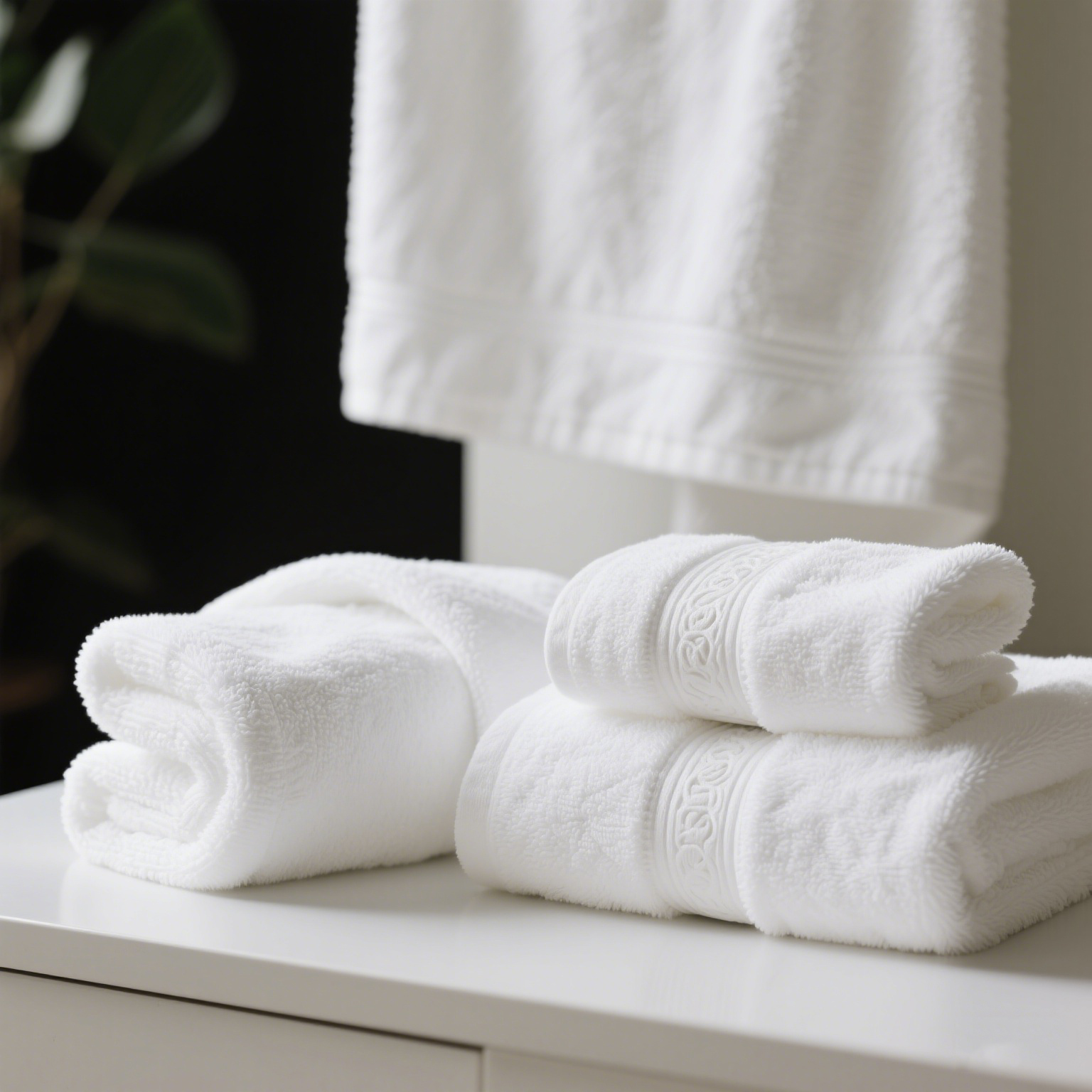
brand recognition.
Supply chain and cost management
Bulk purchase cost reduction:
Mid-range hotels often purchase the Amazon White Classic series ($39.99/6-piece set), which saves 23% annually.
High-end hotels work with specialist suppliers, such as 1888 Mills, to extend life by 40% with Supima Cotton +EnduraWeave's patented technology.
The rise of rental services:
Companies such as Alsco offer linen rentals, on-demand delivery and recycling of broken towels to reduce inventory pressure.
Future trends: Technology and sustainability
Environmental protection materials:
The proportion of recycled cotton and bamboo fibers certified by GRS increases, reducing the carbon footprint of washing.
Customized experience:
Customize towel parameters with customer preference data (e.g. humidity, touch) to enhance personalized service.
Conclusion:
The choice of hotel towels is a delicate balance of function and commerce - from the silky touch of Egyptian cotton to the psychological implication of white
design, every detail points to a win-win for customer experience and cost efficiency. For buyers, the optimal solution needs to be found between material
certification, GSM standards and supply chain response, while consumers can identify these "invisible standards" to select real hotel-quality household towels.
Action now: Click to get the "2024 Hotel Linen Procurement White Paper", limited time to receive OEKO-TEX certified sample trial!
