





What kind of pillows are used in most hotels? A comprehensive analysis from materials, processes to procurement decision
What kind of pillows are used in most hotels? A comprehensive analysis from materials, processes to procurement decisions
Today, hanbi is talking about the fact that for hotel purchasers, pillows are not only the core configuration of guest rooms but also an important carrier for enhancing customer experience and shaping brand image. This article will combine industry trends and market cases to analyze the common types, material processes and procurement considerations of hotel pillows, and assist in procurement decisions.
1. Core demands for hotel pillows: comfort and brand differentiation
Hotel pillows need to balance functionality, durability and brand tone. From economy hotels to five-star hotels, the choice of pillows is often directly related to the target customer group:
Mid-to-high-end hotels: Focusing on down pillows, latex pillows or high-density memory foam pillows, emphasizing "deep sleep experience" and ergonomic design. For instance, the "Deep Sleep Pillow PRO" launched by Atour Hotel has become a bestseller with its support that conforms to the cervical vertebra, achieving sales of over 300 million yuan in a single quarter.
Economy hotels: They tend to use more synthetic fiber pillows or composite filling pillows, which are low-cost and easy to maintain, but they need to balance comfort and durability.
Luxury hotels: They prefer down pillows (such as goose down) or customized high-tech materials. For instance, some super five-star hotels use antibacterial pillows containing cellulose fibers, with unit prices as high as over a thousand yuan.
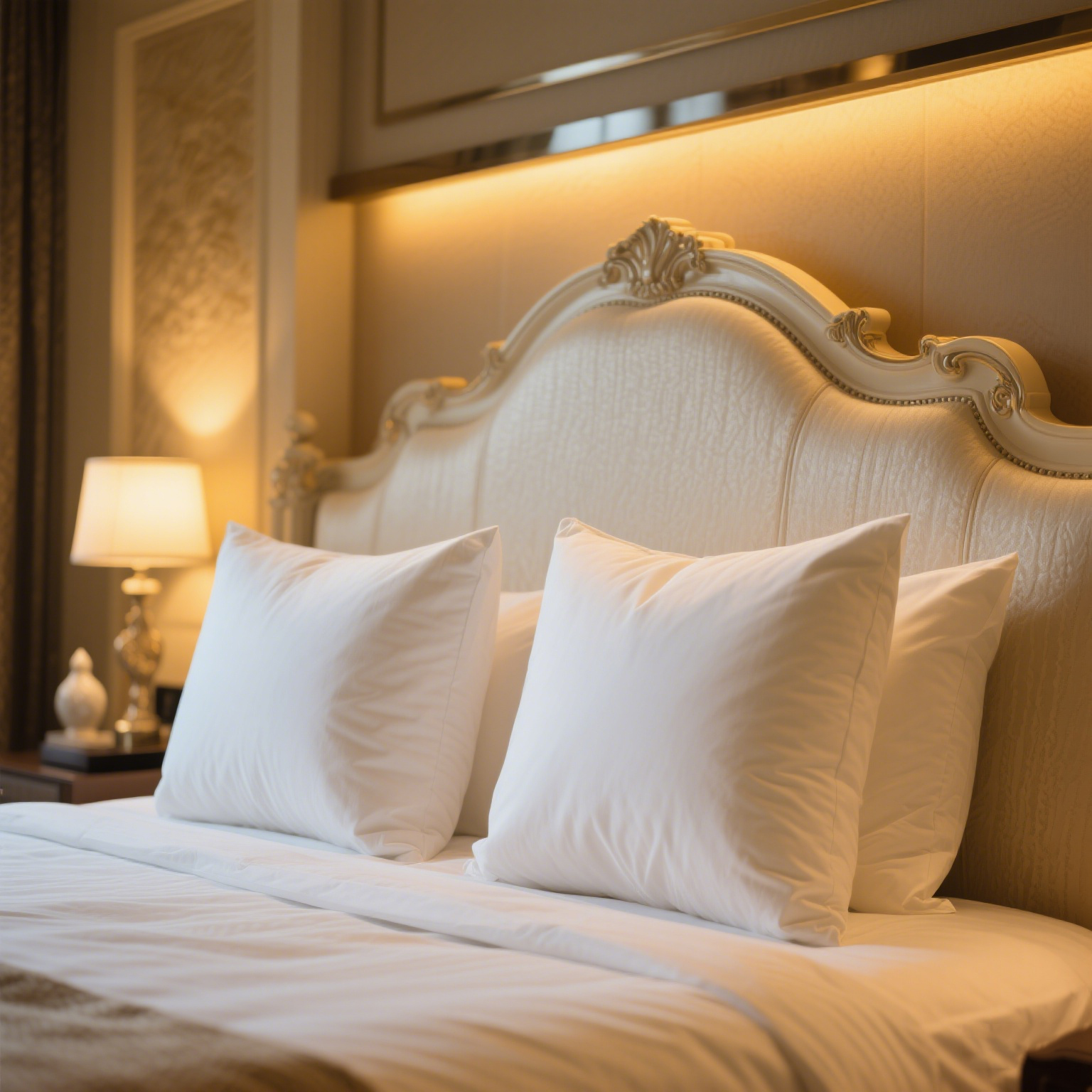
2. Analysis of Mainstream Materials: Comparison of Performance and Cost
Down pillow:
Material properties: Light, breathable, soft and fluffy, commonly found in international high-end hotels (such as Hilton and Shangri-La).
Process requirements: The down content should be above 80%, the filling should be uniform and treated for mite prevention.
Cost consideration: Goose down is more expensive than duck down, but it has less odor and a longer lifespan.
3.Memory foam pillow:
Material properties: The slow rebound feature can fit the curve of the head and neck, relieve pressure, and is widely promoted by brands such as Atour and Quanji.
Process upgrade: The new generation of memory foam incorporates a gel layer or zoned design to enhance heat dissipation and support.
Cost performance: The direct supply price from the contract manufacturer can be as low as within 100 yuan, making it suitable for bulk purchases by mid-range hotels.
Latex pillow:
Material properties: Natural antibacterial, excellent elasticity, divided into Dunlop (high cost performance) and Traare (high elasticity) processes.
Market trend: Products with a latex content of over 90% are more favored, but they are more expensive and are mostly used in special room types.
Synthetic fiber pillow:
Material properties: Chemical fibers (such as polyester fibers) are low in cost and easy to clean, but they are prone to collapse and need to be replaced regularly.
Innovation direction: Some brands have launched conceptual products such as "feather velvet", imitating the touch of down.
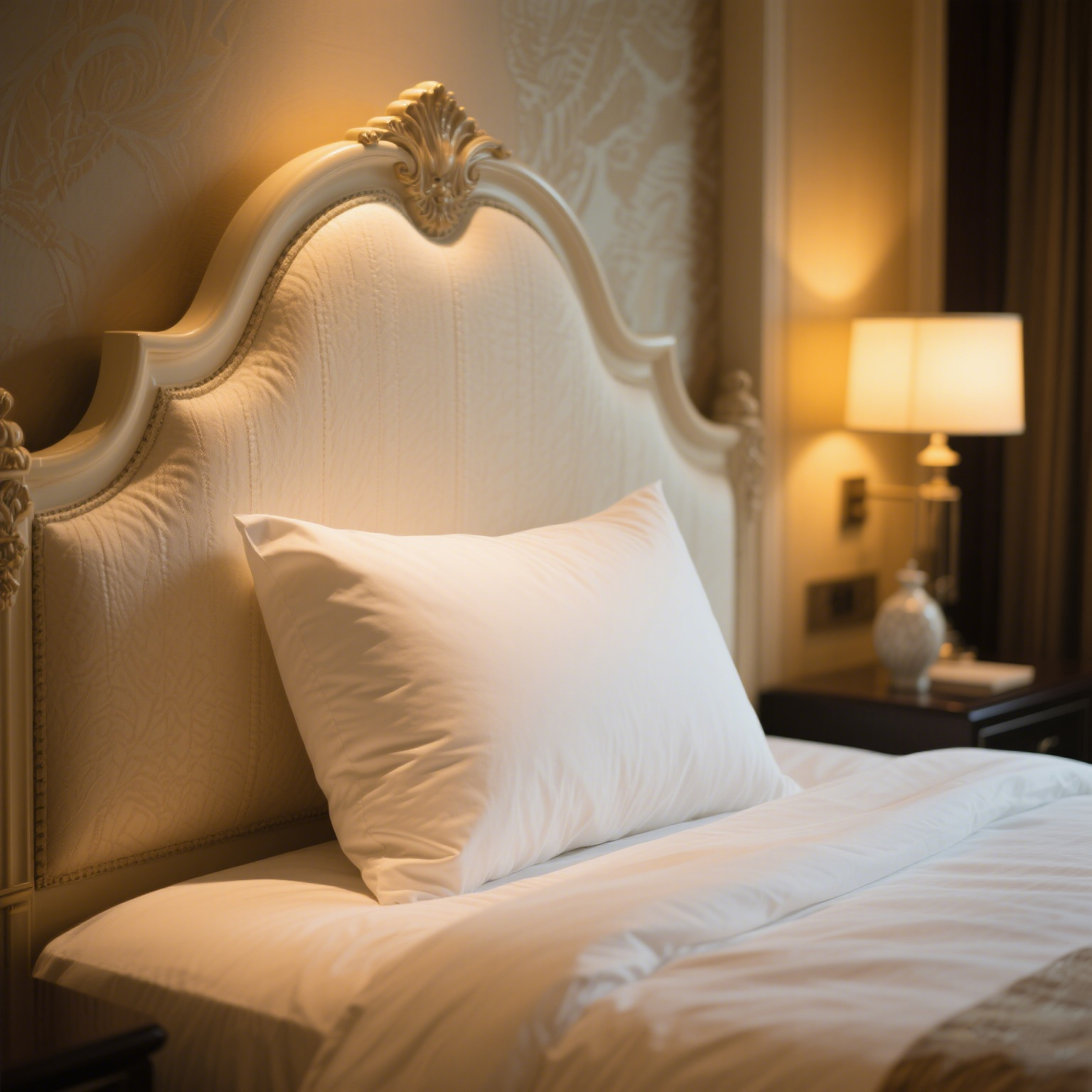
4. Key Factors in Procurement Decisions:
Customer group positioning and scene matching:
Business hotels: Prioritize the use of memory foam or latex pillows with strong support to reduce cervical fatigue among business travelers.
Resort hotel: A variety of pillow options are available (such as soft and hard dual-purpose mattresses + down pillows) to meet personalized needs.
Cost and Supply Chain Management:
Bulk purchasing can reduce the unit price through contract manufacturers. For instance, Atour directly controls the supply chain through its own brand "Atour Planet", with a gross profit margin exceeding 37%.
Long-term costs need to be calculated based on the replacement frequency. For instance, chemical fiber pillows need to be replaced every 1 to 2 years, while high-quality memory foam can last up to 5 years.
5.Brand cooperation and value-added services
Co-branded or custom-made pillows can enhance brand premium. For instance, Atour and NetEase Cloud Music launched a "Sleep Music" themed pillow to attract younger customers.
Atour's retail business revenue has reached 25% by offering "trial sleep services" or retail options to transform the in-room experience into product sales.
Hygiene and environmental protection standards:
Antibacterial and mite-proof have become standard features. High-end hotels tend to use new materials such as cereal fibers to achieve natural antibacterial effects through bio-based technology.
Environmental protection certifications (such as OEKO-TEX) can enhance the brand image and align with the trend of sustainable consumption.
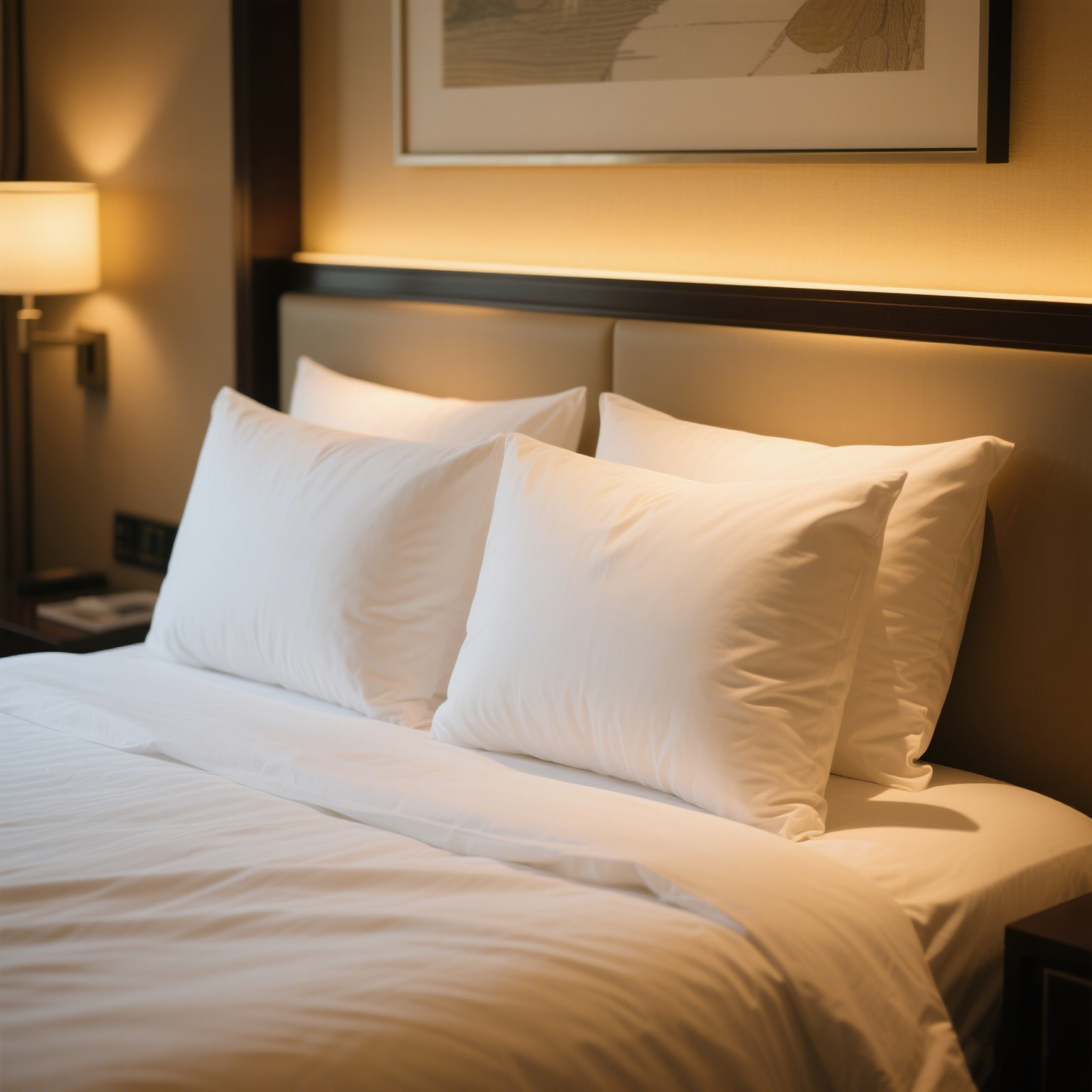
6. Industry Case: How Did Atour "Turn the tables" in the Hotel Industry with Pillows?
The transformation strategy of Atour Group provides a model for the industry:
Scenario-based retail model: Transforming the hotel into a "sleep experience center", guests can scan the code to purchase the same type of pillow upon check-out, with a conversion rate as high as 30%.
The logic of creating best-selling products: Focus on "Deep Sleep Pillow PRO", and achieve monthly sales of over 800,000 units through Douyin live streaming and celebrity endorsements (such as Papi Jiang and Li Jiaqi).
Supply chain advantages: Self-built brand "Atour Planet", reducing intermediate costs, with a gross profit margin of over 50%.
7. Future Trends: Sleep Economy and Intelligent Upgrade
The rise of smart pillows: Equipped with sensors to monitor sleep data and adapt to adjust height, such products have entered the trial stage in high-end hotels.
The popularization of environmentally friendly materials: Degradable materials such as corn fiber and bamboo fiber will gradually replace traditional chemical fibers, reducing carbon emissions.
Customized services: Customize pillow parameters based on customer sleep data to enhance repurchase rates and brand loyalty.
For more information, please leave a message. Let's communicate more and get a customized plan
