





Hanbi focus on the development of environmentally friendly disposable products. The company has 20 patented technologies and an annual production capacity of 100 million sets. The main products include straw toothbrush, PLA comb and other degradable toiletry sets, with a degradation rate of more than 90%. Passed ISO9001 and ISO14001 certification, serving more than 500 customers. Hampe is committed to providing green solutions for the hotel industry, reducing plastic use by 300 tons per year.
×
From 'sanitary door' to 'environmental protection heat', how to rebuild customer trust with consumable products?"
2025-03-31
"Hotel procurement of new air: from 'sanitary door' to 'environmental protection heat', how to rebuild customer trust with consumable products?"
One: Industry trends: the dual changes of policy-driven and consumer demand
Policy tightening:
1.The Regulations on the Management of domestic waste, represented by Shanghai, clearly restrict the use of disposable products in hotels, forcing the industry to transform to recyclable
and degradable materials.
2.International regulations such as the EU Single-Use Plastics Directive accelerate the globalization of environmental standards, and export-oriented hotels need to match international
certifications (such as ECO CERT, FSC) 10.
Consumer awakening:
Recently, the "towel door" incident of a hotel chain caused a crisis of public opinion, and the residents' concern about the safety of health products soared, 60% of passengers said that
they would refuse to stay because of the "lack of health signs".
Young customers are more inclined to choose hotels that provide natural ingredients for washing and care products, and social media has become a key scenario for brand communication.
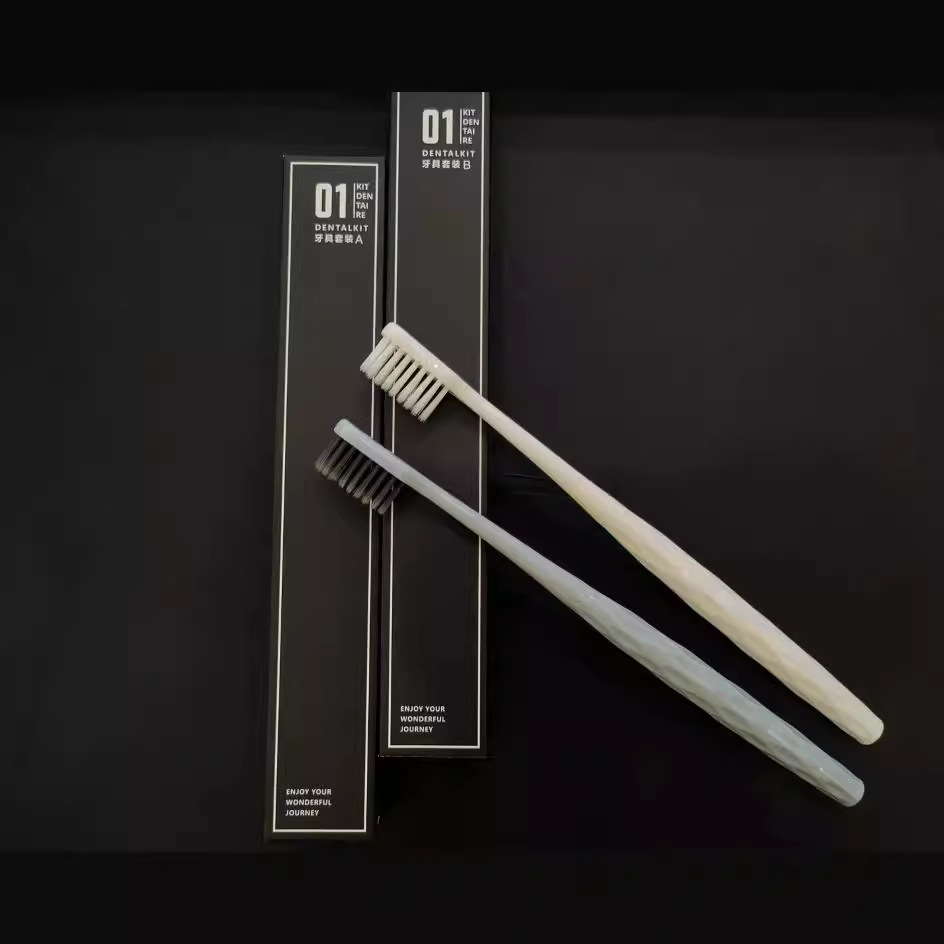
Two: Material innovation: the upgrade path from cost priority to health and environmental protection
1. Environmental protection material benchmark case:
Starch-based biodegradable materials: replace traditional polyethylene, used in toothbrushes, combs, etc., natural degradation within 180 days, reducing "white pollution" 10.
Stone paper packaging: limestone as raw material, 80% water saving in the production process, for the outer packaging of toiletries, FSC certification 10.
2. Core indicators of health and safety:
OEKO-TEX® certification: ensures that textiles are free of harmful chemical residues (such as formaldehyde, heavy metals). It is suitable for linen consumables such as bed linen and bath towels.
Natural ingredients: such as Minghui Group Erutan solid shampoo, with plant essential oil instead of silicone oil, reduce the risk of allergy, suitable for maternal and infant customers 10.
3. Durability improvement strategy:
High-density cotton fabric: 60 sateen sheets can be washed more than 300 times, and the life cycle cost is 40% lower than 40 blends.
Antibacterial coating technology: applied to slippers and bathrobes to reduce the risk of cross-infection and extend the replacement cycle.
3. Product innovation: supply chain direct supply and scenario-based solutions
1. Analysis of explosive products
Solid washing series:
10g solid shampoo =6-8 uses, 70% reduction in volume, 25% reduction in logistics costs 10.
Case: After a resort hotel switched to solid shampoo, the negative rating decreased by 18%, and the Ctrip score increased by 0.3.
Customized packaging:
Recyclable cartons + hotel LOGO stamping, enhance brand memory points, such as Marriott co-branded toiletry bag 10.
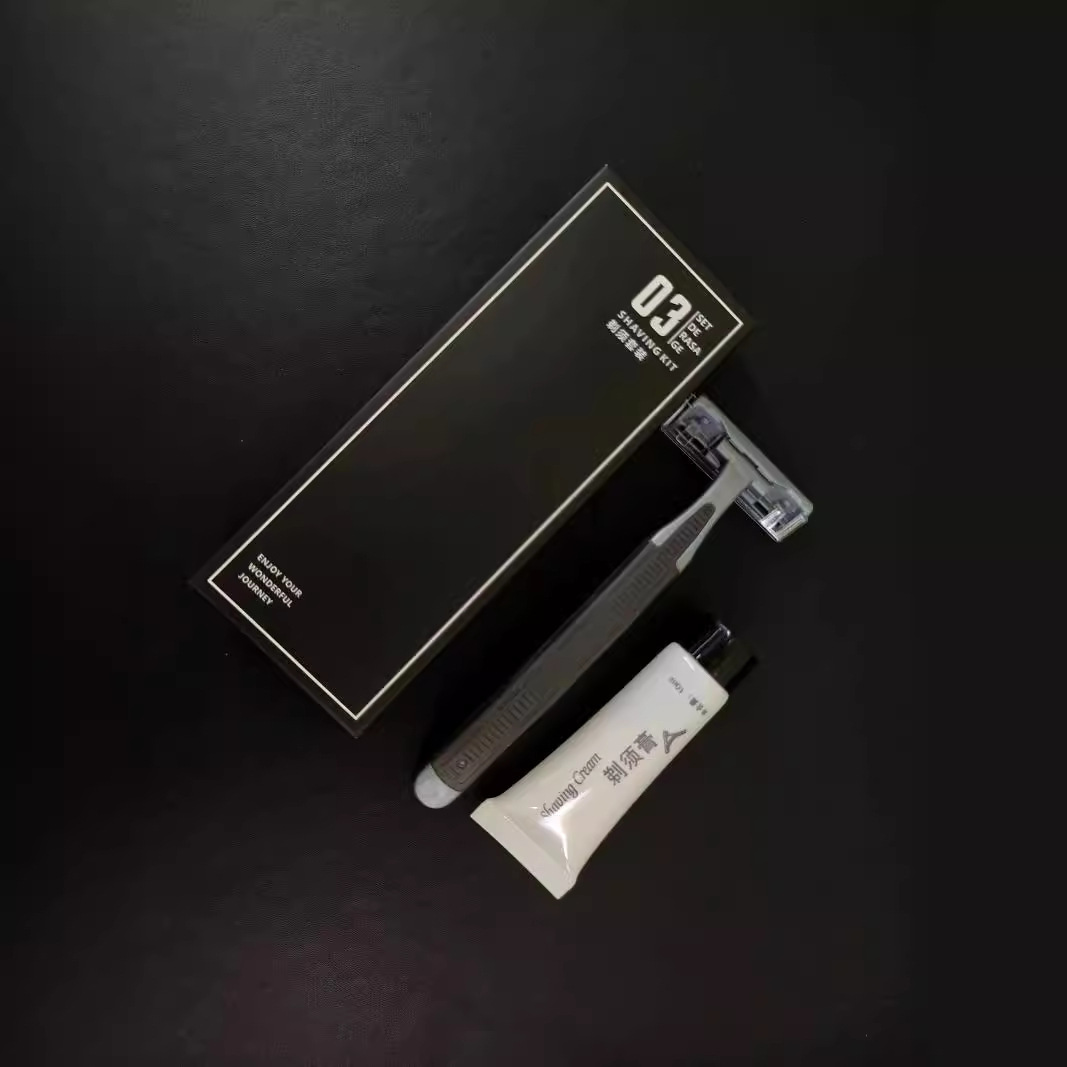
2. Procurement mode upgrade:
One-stop platform directly:
Minghui and other platforms integrate more than 10,000 SKUs, support batch purchase prices straight down 15%-30%, and provide quality inspection reports and compliance certification10.
Small batch trial order mechanism:
The minimum order of 50 sets is for trial sale, and the purchase list is optimized based on guest room feedback to reduce inventory risk.
Four: Hot spot borrowing: the transformation logic from crisis to business opportunity
Response to the "sanitary Gate" incident:
Transparent traceability system: provide the production batch of consumable products, quality inspection report two-dimensional code, residents can scan the code to verify the security.
Social media marketing: Invite KOL to experience the "naked bed", launch the hashtag # Peace of Mind Challenge, and transform the bad review crisis into an endorsement of trust.
Environmental Policy Compliance Guidelines:
Launched the White Paper on Environmental Compliance of Hotel Consumables, covering domestic and foreign regulations interpretation, certification application process and supplier blacklist10.
Five: Procurement action Guide: 3 steps to achieve cost reduction and efficiency
Step1 Requirements classification:
High-end hotels: focus on natural ingredients + customized packaging (such as Hermes co-branded);
Economy chain: Durability priority + bulk purchase discount.
Step2 Supplier screening:
Required qualifications: OEKO-TEX®, FSC, ISO 14001;
Additional services: free sample delivery, after-sale inventory transfer 10.
Step3 Data acceptance:
Set KPI: unit cost reduction, customer satisfaction improvement rate, negative evaluation reduction;
Tool recommendation: The ERP system automatically tracks the consumption cycle of consumable products and optimizes the procurement frequency.
Conclusion: Consumables - the "invisible spokesperson" of hotel quality
In the era of consumers "voting with their feet", hotel consumables have been upgraded from cost items to brand value carriers. Procurement decision makers need to jump out of the "low price
priority" thinking, through material upgrading, health certification, supply chain innovation to build competition barriers.
ReviewsNumber of comments: {{ page.total }}
I want to comment?
{{item.nickname ? (item.nickname.slice(0, 2) + '*****') : item.source === 1 ? 'mall buyer' : '--'}}
{{item.comment_time}}
Review in the {{item.country}}
Reviews
Merchant
{{replyItem.nickname ? (replyItem.nickname.slice(0, 2) + '*****') : replyItem.source === 1 ? 'mall buyer' : '--'}}
{{replyItem.parent_nickname ? (replyItem.parent_nickname.slice(0, 2) + '*****') : '--'}}
{{replyItem.is_merchant_reply === 1 ? replyItem.reply_time : replyItem.comment_time}}
Review in the {{replyItem.country}}
Reviews

No customer reviews
If you have more questions, write to us
Just leave your email or phone number in the contact form so we can send you a free quote for our wide range of designs!
Recommended
2023
01
11
We manufacture an extensive range of Premium and Luxury Bed linen, Bath linen, towels, Bed Sheets, mattress, pillows, and Hospital Linen products that are perfectly designed for the hospitality and hospital industry.
Telephone: 0771-5585836
Email: hanbiyan1@gmail.com
Phone: +86 15878178593
WhatsApp: +86 15878178593
WeChat: 15878178593
Address: Shop No. 201, 2nd Floor, Building 17, Nanning Country Garden Times City, No. 496 Kunlun Avenue, Santang Town, Xingning District, Nanning City, Guangxi Zhuang Autonomous Region
Copyright © 2026 HANBI - www.hanbi-hotelsupplies.com | Sitemap Privacy Policy